Truth, tension, and the test of justice: COP30’s first week

In this blog, Eurodad's Climate Justice expert Bertha Argueta gives her assessment of the first week of COP30
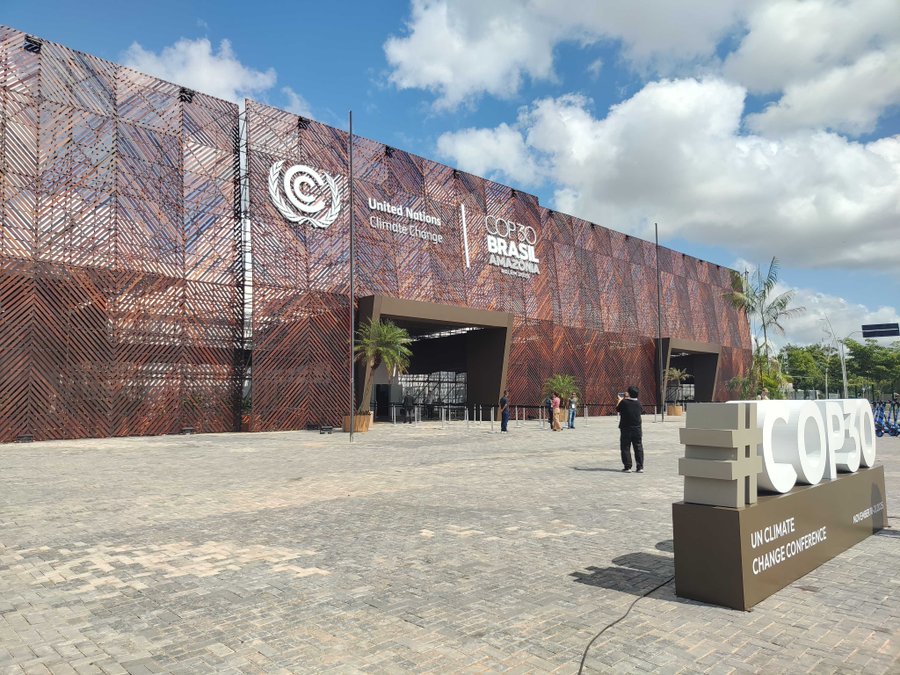
Brazilian President Luiz Inácio Lula da Silva called COP30 the “COP of truth” during his speech at the 80th United Nations General Assembly in New York last September. This is a statement that has been echoed by many during the first week of COP in Belém. As it draws to a close, and a second week begins, we have indeed seen many truths surface.
We also see countries that are far from consensus. There is therefore a growing fear that the final outcome may show limited ambition, both in mitigation and in finance, and may ultimately fail the test of justice.
The uncomfortable truth
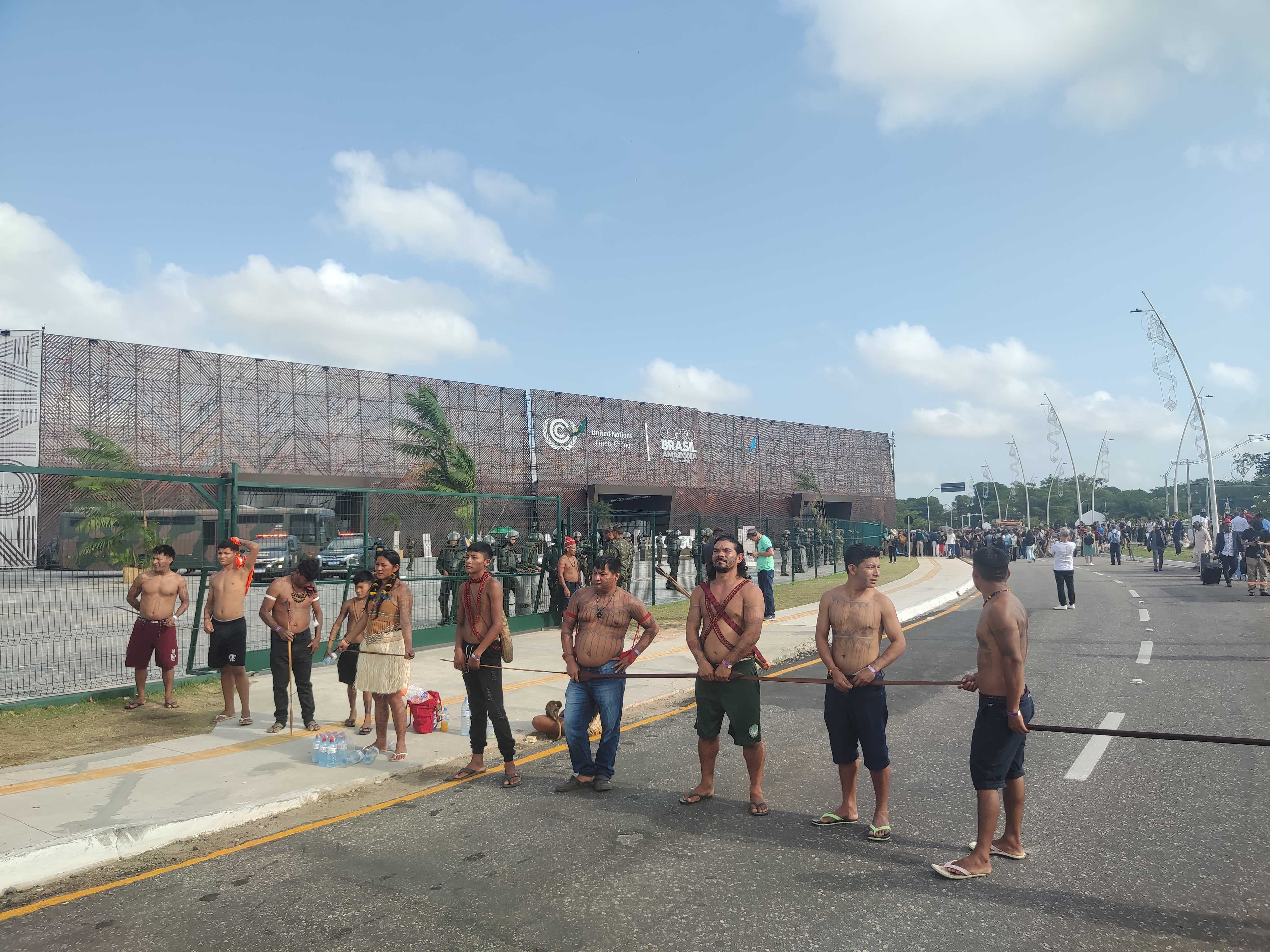
The most significant truth that has emerged was highlighted by two separate protests led by Indigenous Peoples and supported by civil society groups. These demonstrations expressed deep frustration at the lack of meaningful space for their voices, and at the threats posed to their territories and livelihoods by oil exploration, illegal mining, and agribusiness.
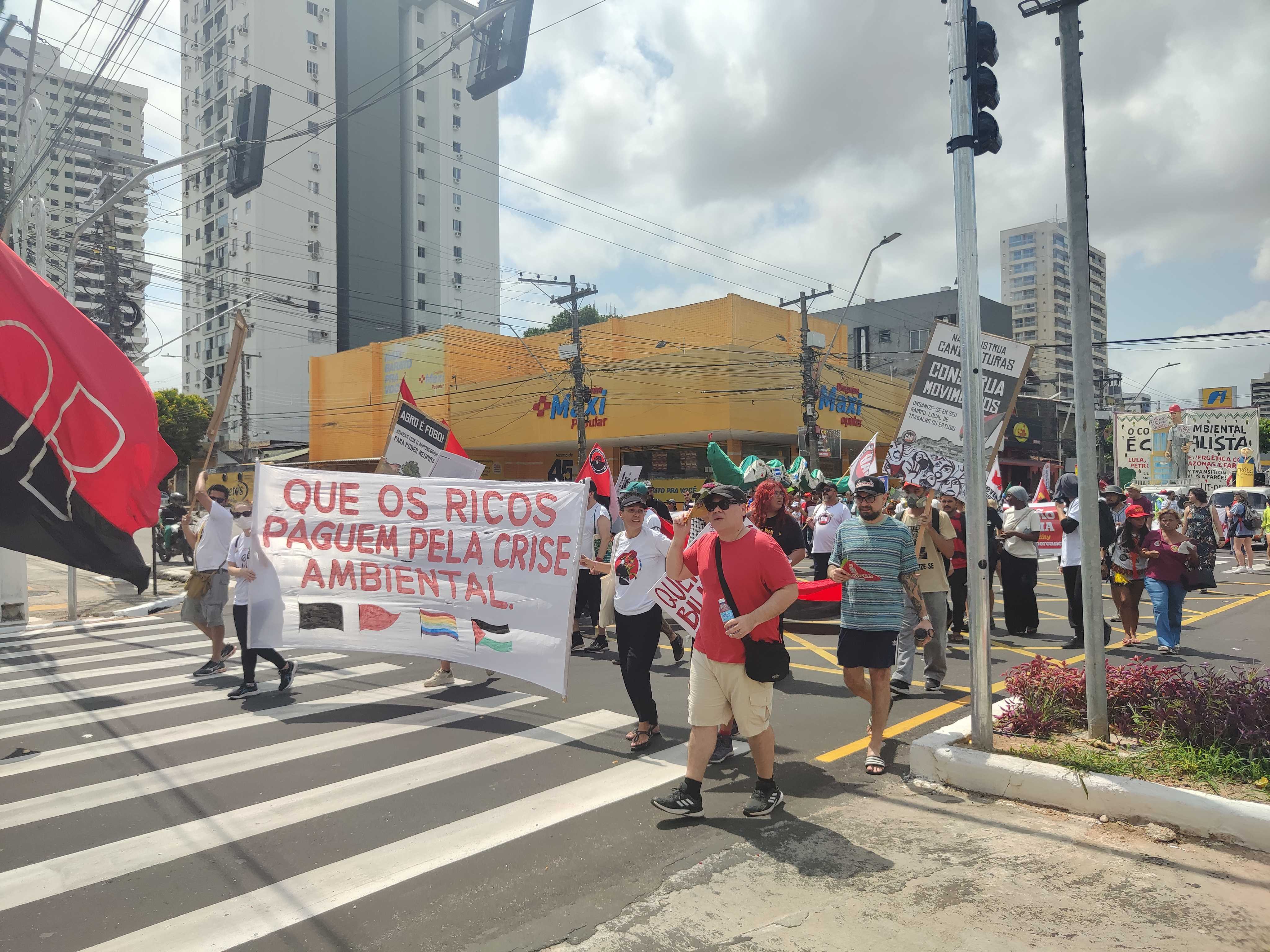
This urgency culminated on Saturday with the Great People’s March, when thousands of Indigenous leaders, activists, and civil society representatives filled the streets of Belém demanding climate justice and an end to the environmental destruction driven by an economic model still dependent on fossil fuels and other extractive industries. Their anger underscores the stark contrast between the polished discourse - often of delay - inside the COP30 venue and the urgency of the lived realities of those on the frontlines of the climate crisis.
Inside the Blue Zone of COP30, where negotiations and high-level events take place, many more truths have also been laid bare. The most glaring is that the world remains far off track from meeting the 1.5°C temperature goal of the Paris Agreement, and in fact temporarily exceeded this threshold last year. The UNFCCC’s National Determined Contributions (NDC) Synthesis Report, released ahead of COP30, makes it clear that although global emissions trajectories have improved, collective efforts still fall well short of what is required to keep 1.5°C within reach. The report also highlights that two-thirds of countries cannot reach their full mitigation ambition without enhanced access to financial resources.
Ambition vs provision of public climate finance
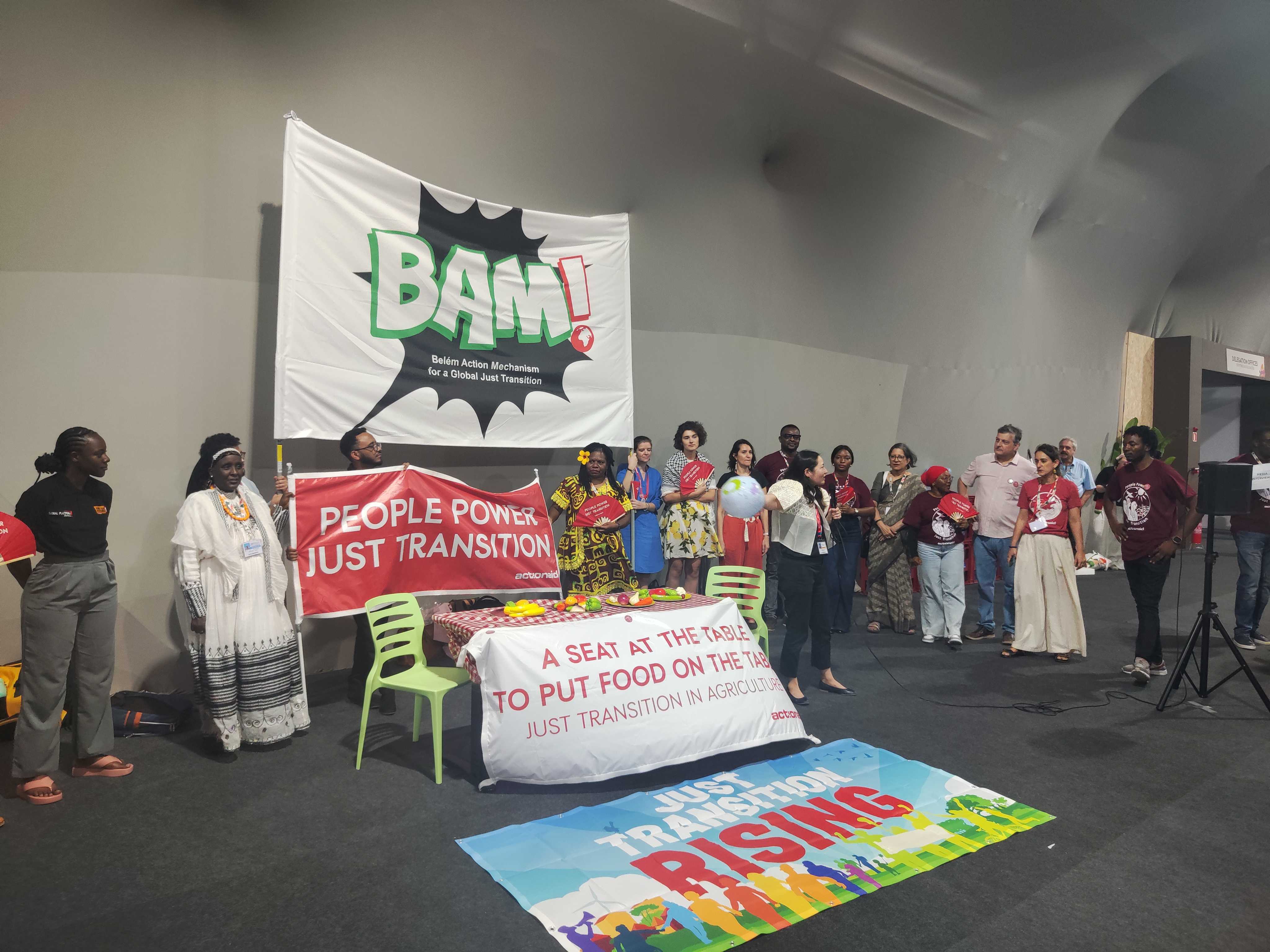
At the heart of the negotiations is the gap between ambition, particularly what is needed to keep the 1.5°C goal alive, and the provision of public climate finance to countries in the Global South. This includes support for adaptation to increasingly severe climate impacts. The Brazilian presidency convened consultations on contentious issues related to NDC ambition: accountability for climate action; public finance from developed countries; and the impacts of unilateral climate-related measures taken by countries in the Global North on the development pathways of those in the South.
These consultations have made one thing clear: rather than building bridges, countries seem to be opening oceans between their positions. Countries in the Global South want mitigation ambition to be explicitly linked to the provision of concessional public finance from countries in the Global North, consistent with their legal obligations under the Convention and the Paris Agreement. These obligations were recently reaffirmed in a landmark Advisory Opinion of the International Court of Justice.
Global North countries, however, argue that there is no need to reopen debates on the provision of public finance, claiming they remain committed to their responsibilities. This comes despite widespread cuts to official development assistance (ODA or aid) budgets in recent years, the persistent underfunding of the UNFCCC climate funds, and the continued reliance on loans in climate finance, further deepening the debt burdens of countries already facing a debt crisis. The last European Union’s NDC, for instance, continues to reaffirm the importance of climate finance, yet it continues to emphasise the use of channels that focus largely on the provision of loans and highlights the mobilisation of private finance.
At the centre of these tensions is a fundamental question: how can the transition to low-carbon, climate-resilient economies be aligned with principles of justice?
The true test of COP30
How countries, guided by the COP30 Presidency, will resolve these issues remains uncertain. Outside the negotiation rooms, however, the focus is firmly on ensuring that the voices of those most affected are heard and that justice for impacted communities is secured. This demand extends far beyond finance; it reaches into the very structure of our financial and economic systems, which too often work against the planet and against community wellbeing.
One thing is for sure - this moment will be a true test of this multilateral process’s ability to confront the climate crisis and deliver climate justice.