2026: Striving for justice in an age of self-interest

#WEF26 #CancelTheDebt #TaxTheSuperRich #Aid #DebtJustice #EraOfJustice
Top story

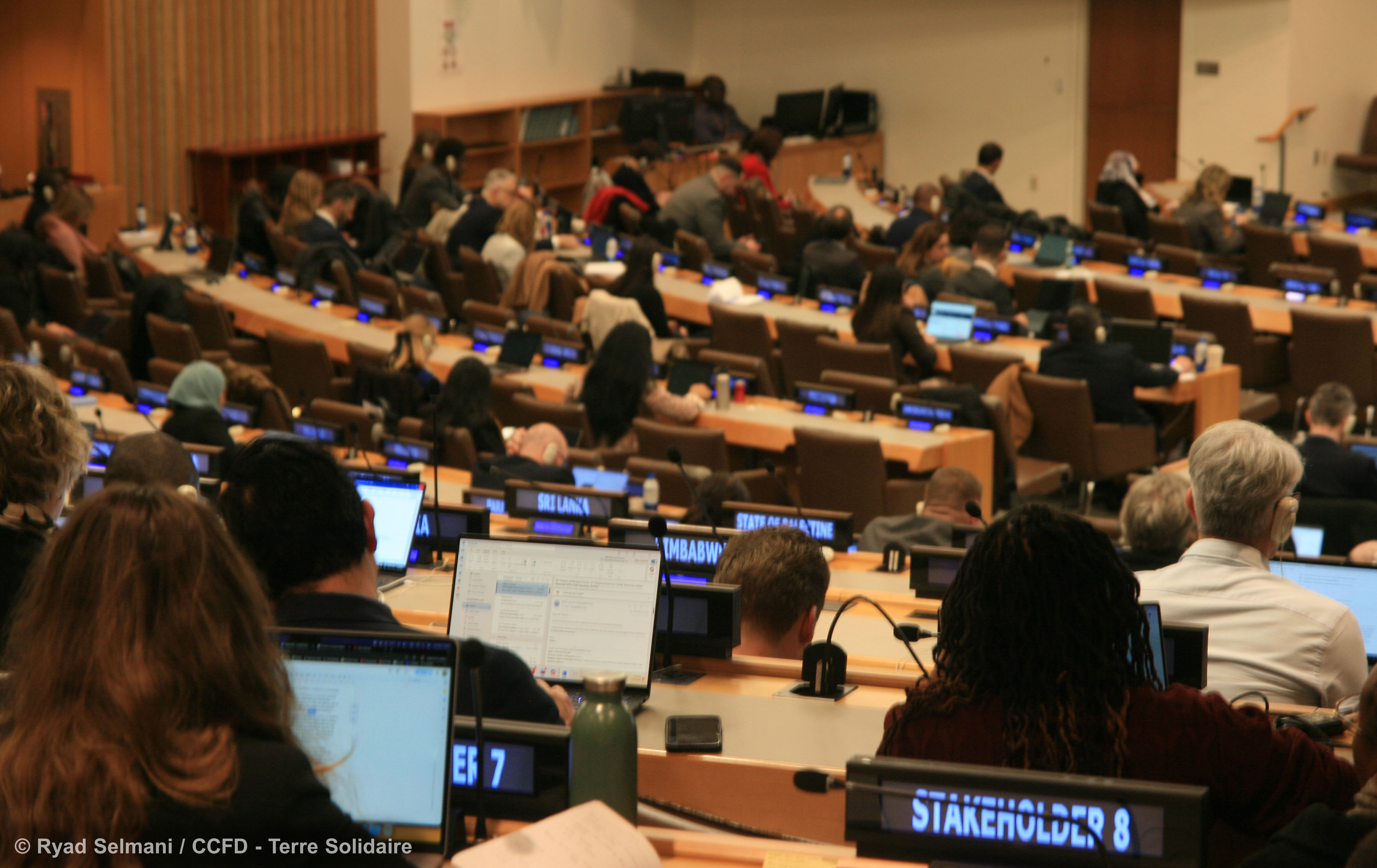
2026: Striving for justice in an age of self-interest
In a world increasingly marked by self-interest and the dominance of power over principle, it is hard to be optimistic. However, our collective struggles last year led to some victories, and 2026 presents plenty of opportunities to overcome this peak era of imperialism.
Read the blog by Eurodad's director Jean Saldanha
News
Joint international statement against the World Economic Forum 2026
Civil society rejects the World Economic Forum, arguing that it reinforces corporate and elite power, inequality, and ecological harm. This joint statement calls for several measures, including: debt cancellation for the Global South, democratising the economy and global institutions, environmental justice, migrant rights, and forums like the World Social Forum as a transformative alternative to the WEF.
Statement of solidarity with the people of Venezuela
by Asian Peoples' Movement on Debt and Development (APMDD)
In this statement, the Asian Peoples’ Movement on Debt and Development (APMDD) strongly condemns US imperialism and expresses solidarity with the people of Venezuela, supporting their fight for justice, sovereignty, and self-determination amid ongoing political and humanitarian challenges.
Blogs
Davos and the debt billionaires
by Wiz Baines (Debt Justice UK)
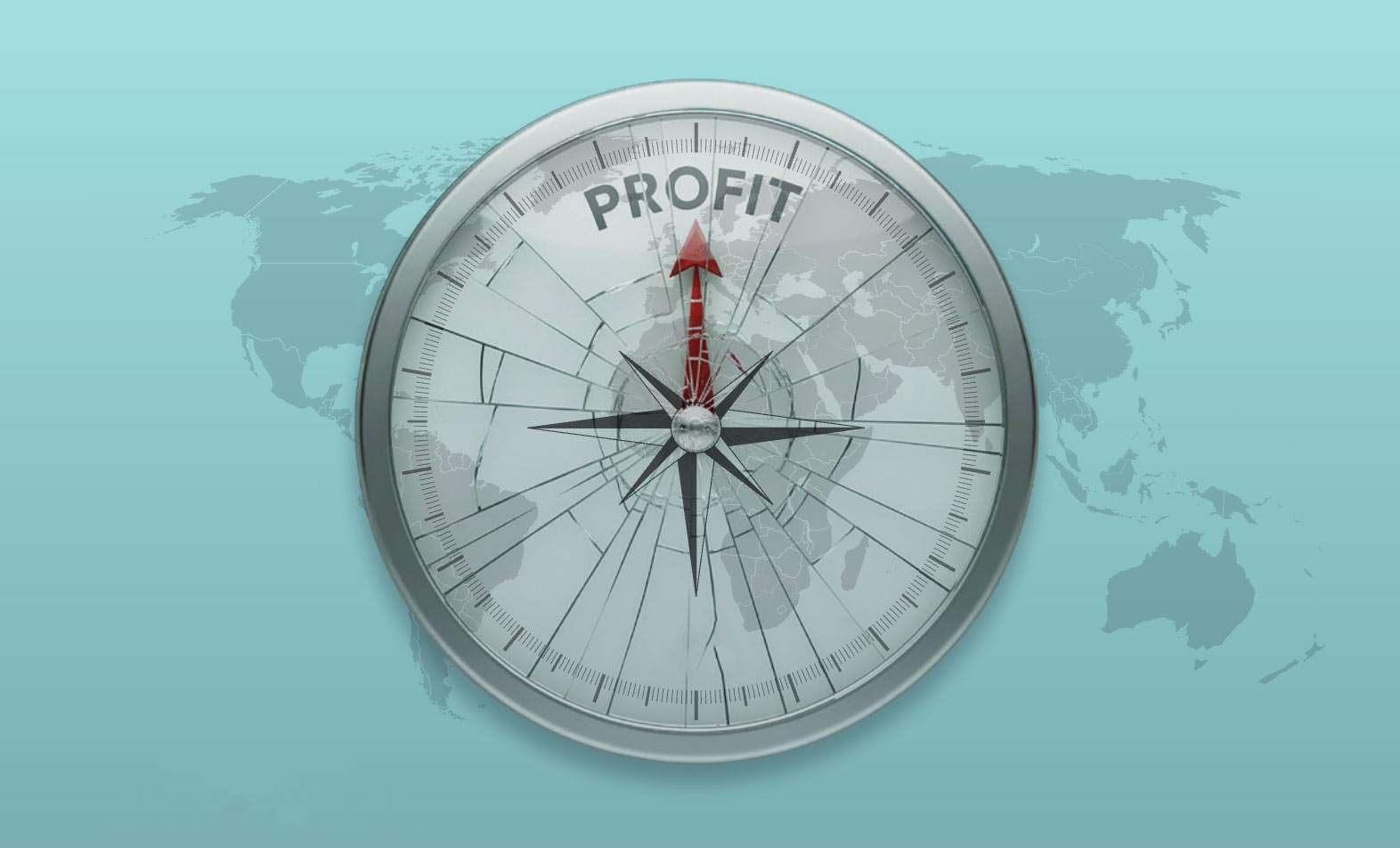
As the super-rich gather at the World Economic Forum (WEF) in Davos this week, some of the wealthiest bosses of the biggest private lenders to countries in debt crisis will be meeting to discuss what “bold, collective action” looks like in today’s economy.
Repudiation of global south debt to meet human need
by Farwa Sial, Jason Hickel and Ndongo Samba Sylla
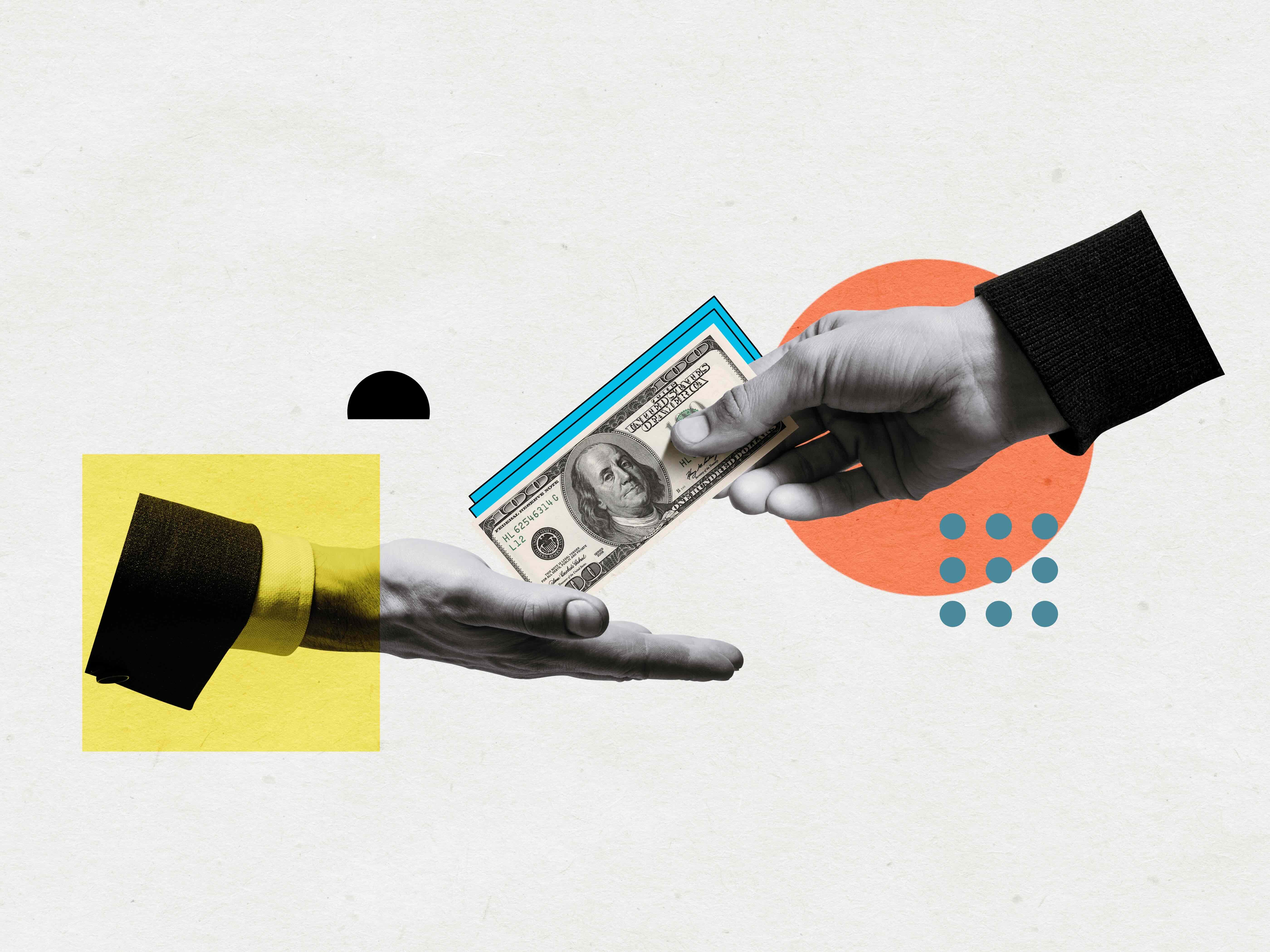
Countries in the Global South pay $300bn a year in interest on external debt—for nearly half the world’s population, the amount is more than their expenditure on health or education. These payments often represent a net transfer of resources from debtor countries to creditor countries in the Global North. The resources could be used for development and to meet human needs, but are instead transferred to foreign private and multilateral lenders, some of the wealthiest people and institutions in the world.
Read the editorial published by the BMJ
Reports
Resisting the rule of the rich
by Oxfam
Oxfam's new inequality report focuses on the political capture exercised by the wealthiest individuals and the repression of civil and political freedoms, both globally and in Europe. In 2025, despite economic turmoil, billionaire wealth rose three times faster than in the previous five years and reached its highest level on record. Meanwhile, 1 in 4 people globally cannot afford enough to eat.
A strategic compass for navigating Senegal's debt crisis
by Finance for Development Lab
With public debt at around 130% of GDP, Senegal’s options are limited: there are no good solutions. This paper explores two possible paths and reviews the constraints and difficult choices the government faces in managing the debt crisis.
Useful resources
This decade’s best chance to get debt sustainability right: Necessary changes in the review of the Debt Sustainability Framework for Low-Income Countries (LIC DSF)
by Tim Hirschel-Burns (Boston University - Global Development Policy Centre)
For the first time in nearly 10 years, the International Monetary Fund (IMF) and World Bank have a chance to revise a key framework that will shape whether low-income countries are set up for a decade of growth or a decade of lost opportunity. The IMF and World Bank’s review of their LIC DSF is nearing its final stages, with profound implications for economic growth, financial stability and climate action in developing countries.
Social and Green European Investment Bank
by Counter Balance
Launched this week, this campaign brings together social and environmental CSOs, activists, trade unions and anti-poverty networks from across Europe, including Eurodad, and the Global South. It calls for a bold shift in the European Investment Bank's policy: to stop financing corporate profits and to fund sustainable projects that meet people’s needs.
Jobs
Development Journal - Call for Abstracts | Society for International Development | Deadline for submissions: 9 February
MEAL Officer | Eurodad | Deadline: 15 February
Events
28 January | Brussels and online | Getting aid on course

This event brings together civil society from the Global North and South, alongside policymakers, to critically examine the direction of ODA and articulate a vision of a just, effective and accountable system of development cooperation. The event will also launch Eurodad report "Aid off course. How ODA reform has left the Global South behind" - the first comprehensive civil society retrospective on this rich country-driven and opaque reform agenda. The report examines how it has had a significant impact on the quantity and quality of resources that countries from the Global South receive. Drawing lessons from this experience will be essential to inform the debate on the ongoing review of the OECD-DAC’s composition and role, and evolving global cooperation policies.
Speakers:
• Matthew Simonds, Senior Policy and Advocacy, Eurodad (author of the report 'Aid off course. How ODA reform has left the Global South behind')
• Martha Bekele, Development Transformations (online)
• Jean Van Wetter CEO of Enabel, the Belgian Agency for International Cooperation
• Ruth Faber, CEO of EU - CORD and Board member of CONCORD
Moderator: María José Romero, Policy and Advocacy Manager, Eurodad
 |
This newsletter has been produced with co-funding from the European Union, Bread for the World and Norad. The contents of this publication are the sole responsibility of Eurodad and can under no circumstances be regarded as reflecting the position of the funders. |