Aid off course - How ODA reform has left the Global South behind

#Aid #UNTaxConvention #TaxJustice #CancelTheDebt #DebtJustice #EndAusterity #EraOfJustice
Top story

Aid off course - How ODA reform has left the Global South behind
This report is the first comprehensive civil society examination of how changes to the rules – known as the ‘ODA modernisation’ process – have reshaped international aid. It argues that a genuine overhaul of the aid system must now take place, with Global South countries in the driving seat.
Read the report written by Matthew Simonds (Eurodad)
Read the briefing in English, Spanish or French
Watch the video of the launch event under "Useful resources" below
News
4th round of negotiations on a UN Tax Convention begins in New York
by Civil Society Financing for Development Mechanism
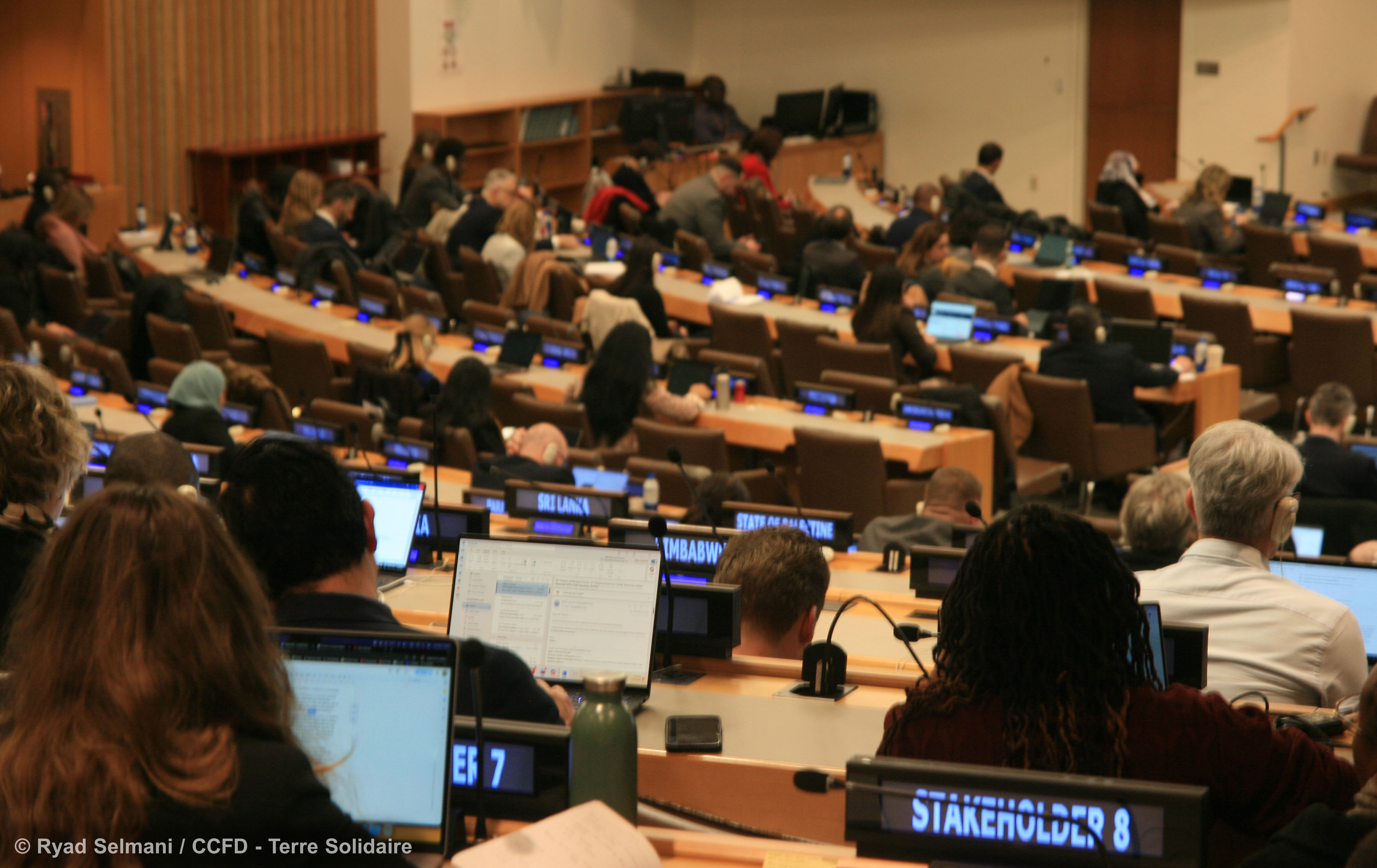
The Fourth session of UN Tax Convention negotiations got underway this week in New York. You can read about the latest developments in the Civil Society Financing for Development Mechanism Chronicles.
Read Issue #54 (2 February) | Read Issue #55 (3 February) | Read all the Chronicles
Reaction to bondholders suing Ethiopia
by Debt Justice UK
Last week, Ethiopia’s Official Creditors rejected the bondholder deal, stating that it represents a “very low restructuring effort” and failed to provide sufficient debt relief. In response, the bondholder committee announced that it intends to pursue legal action against Ethiopia in the United Kingdom.
Useful resources
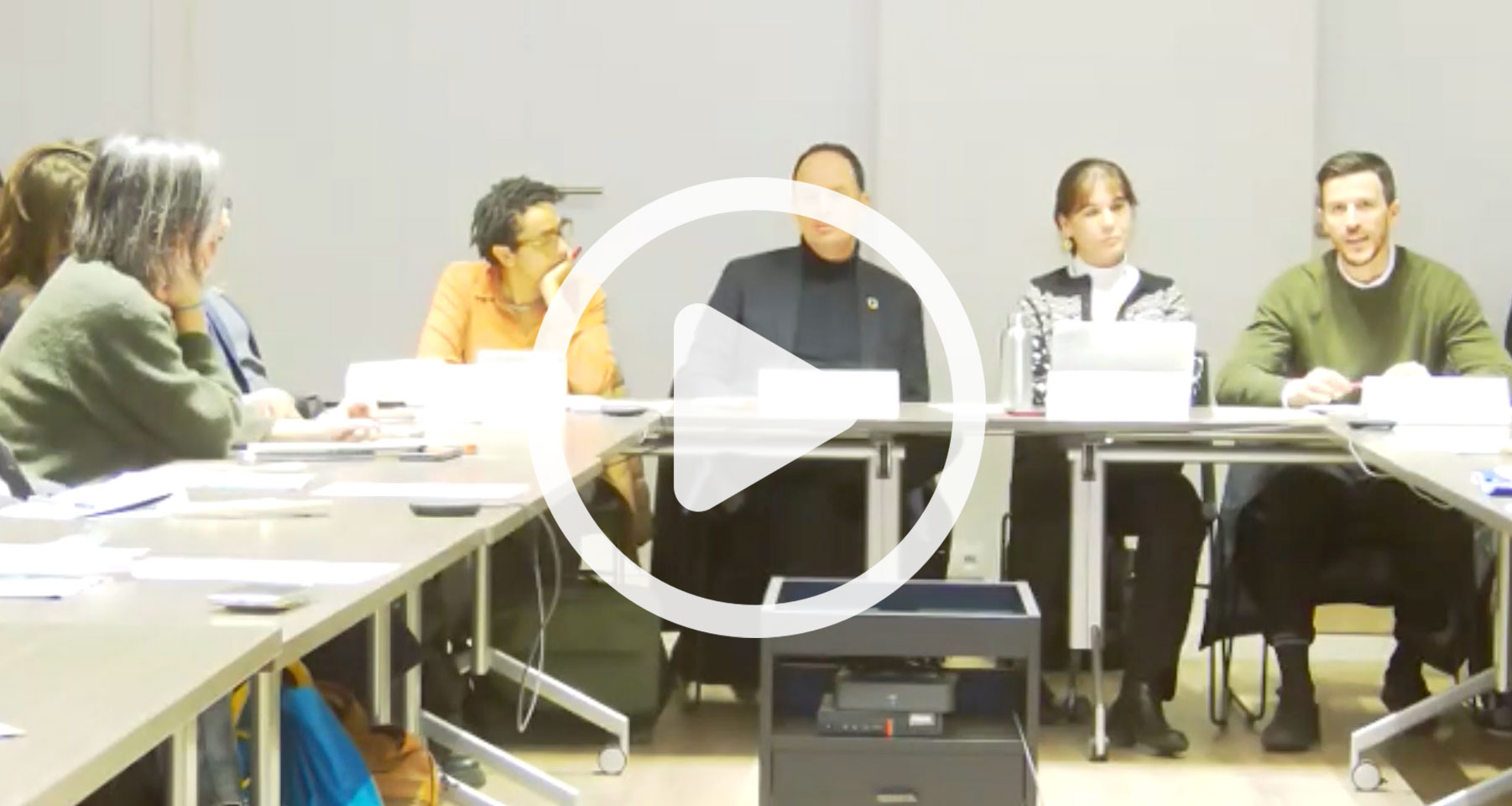
Rewatch the video of the event "Getting aid on course"
by Eurodad
This event brought together civil society from the Global North and South, alongside policymakers, to critically examine the direction of ODA and articulate a vision of a just, effective, and accountable system of development cooperation. It was also the occasion to launch the new report "Aid off course - How ODA reform has left the Global South behind".
Rewatch the video in English | Spanish | French
"We owe ourselves more" - Kenya’s debt, accountability and civic participation
by National Democratic Institute Kenya and Amondi Awuor
NDI Kenya collaborated with Amondi Awuor, a talented poet, to transform dense public finance concepts into a spoken word piece. The piece explores why public debt is not just an economic issue but a governance issue. Through poetry, complex finance concepts are translated into an accessible and human story, using creative expression as a tool for civic education and advocacy. By connecting abstract numbers to lived realities, the performance invites audiences to reflect on the links between debt, accountability, and civic participation.
Systematisation: Regional conference on debt and financial architecture
by LATINDADD
This report brings together the main debates, diagnoses, and proposals that emerged throughout the Regional Conference on Debt and Financial Architecture 2025, which took place last November in Quito, Ecuador. It focuses on a central consensus: the debt crisis is neither a short-term phenomenon nor the result of poor domestic management, but rather the structural outcome of an unjust, colonial, and dysfunctional international financial architecture that prioritizes creditors’ interests.
Recommended resources on the World Bank and the IMF 2025
by Bretton Woods Project
Last month, the Bretton Woods Project published the annual collection of critical reports, briefings, CSO letters and other resources on the World Bank and the International Monetary Fund from the past year.
Jobs
• Development Journal - Call for Abstracts | Society for International Development | Deadline for submissions: 9 February
• Campaign coordinator | End Austerity Campaign | Deadline: 9 February
• MEAL Officer | Eurodad | Deadline: 15 February
Events
6 February | Online | Webinar: "Improving the IMF–World Bank Debt Sustainability Framework for Low-Income Countries: A debtor-centred perspective"
Drawing on research and policy experience, the presenters will examine debt sustainability from a debtor-country perspective, with insights from Malawi and Zambia. This webinar aims to foster critical dialogue on reforming global debt frameworks to better reflect the realities and development needs of low-income countries.
19 February | Online | Webinar: "The IMF, debt and climate in the multilateral context of 2026"
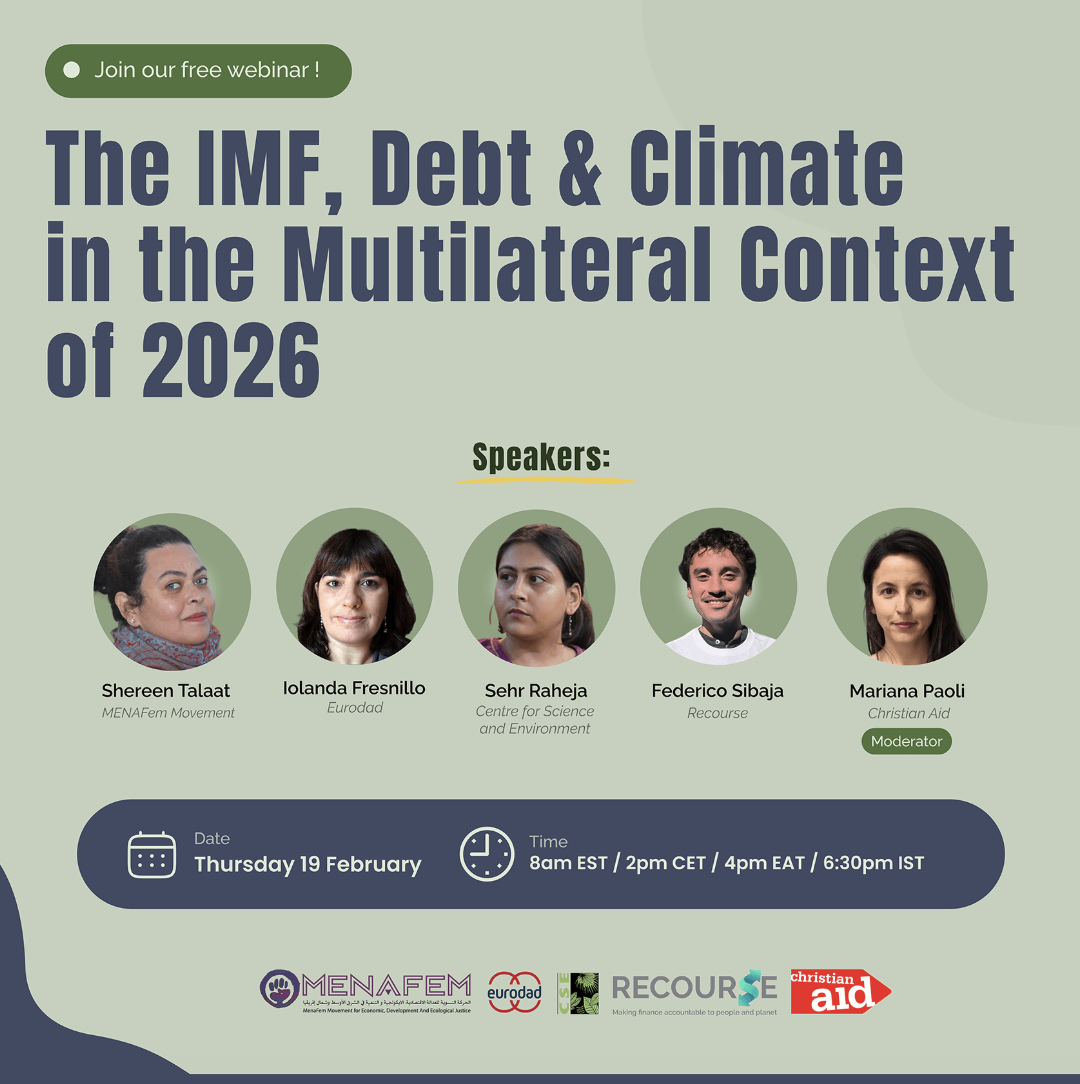
During this webinar, panellists will explore key global arenas and their potential to advance financial architecture reform. The discussion will connect the IMF’s ongoing reviews of its surveillance and conditionalities work to outcomes from the 2025 Financing for Development Conference, the COP30 climate summit, and efforts to strengthen decision-making spaces led by the Global South.
 |
This newsletter has been produced with co-funding from the European Union, Bread for the World and Norad. The contents of this publication are the sole responsibility of Eurodad and can under no circumstances be regarded as reflecting the position of the funders. |