Blueprint for EU budget threatens Europe’s role in global development

#EUbudget #MFF #UNTaxConvention #Aid #FfD4 #GenderJustice #EraOfJustice
Top story
Blueprint for EU budget threatens Europe’s role in global development
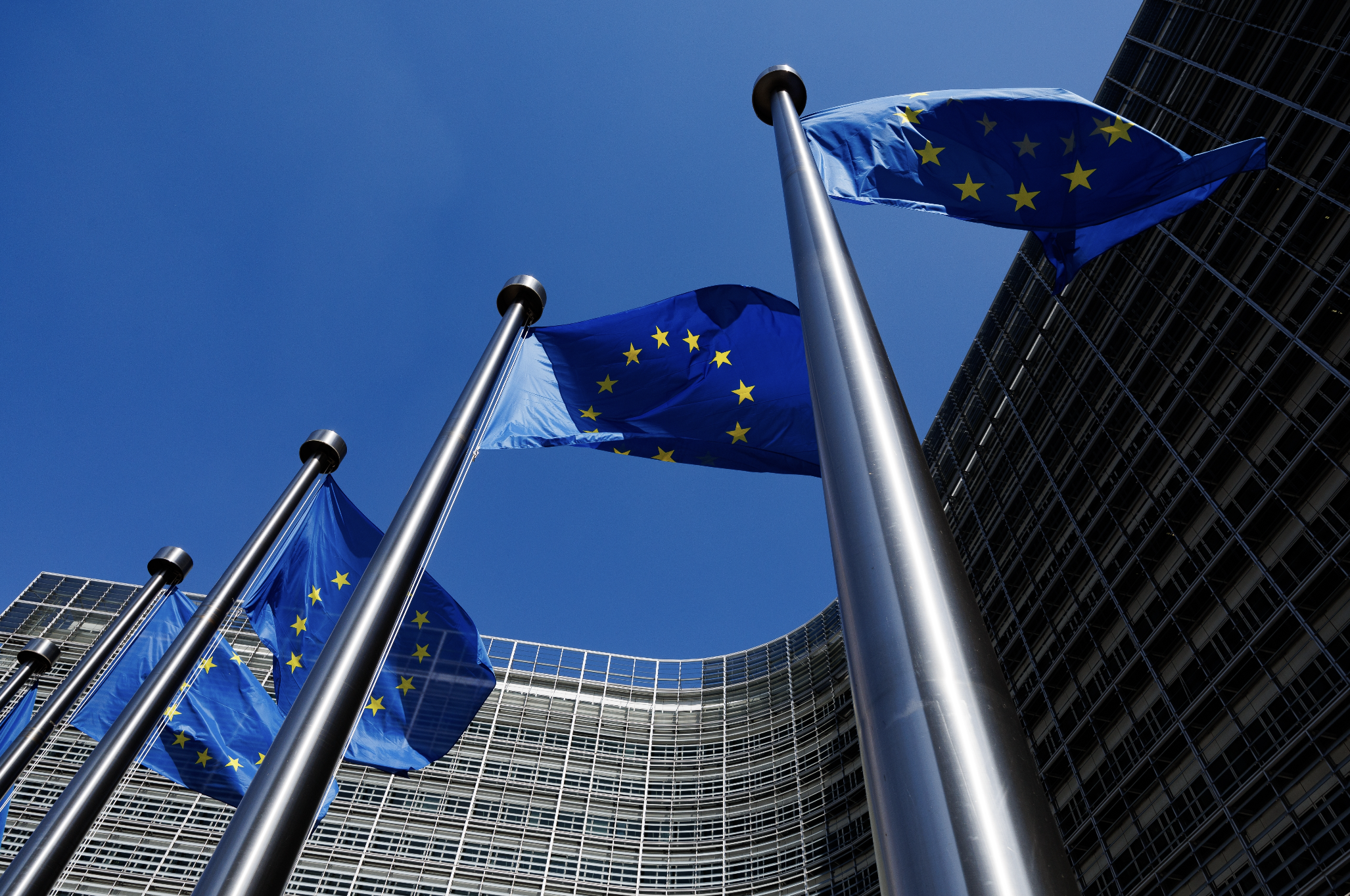
Last week, the European Commission proposed to allocate 200 billion to the external action budget, which represents a significant increase. But the restructuring of the budget puts at risk the EU’s central role in fighting poverty, responding to global crises, and supporting those living in the global south.
Alongside the traditional own resources, the European Commission’s budget proposal is introducing new EU-level own resources. Among these, the proposed new 'Corporate Resource for Europe' (CORE) seems to recognise corporations are not paying their share of taxes. But the EU would do well to play a constructive role in upcoming negotiations of a new UN Convention on Tax, to repair the fundamental problems in the international tax system, that would benefit public coffers everywhere, not just in Brussels. With regard to the proposed environmental taxation, if done wrongly it risks missing the opportunity to advance equity and climate justice.
Read our press release
Read ActionAid's press release | Read CAN Europe's press release | Read a joint statement by the MFF hub
News
UN Tax Convention – joint inputs by over 100 civil society organizations and trade unions to the negotiations starting in August 2025
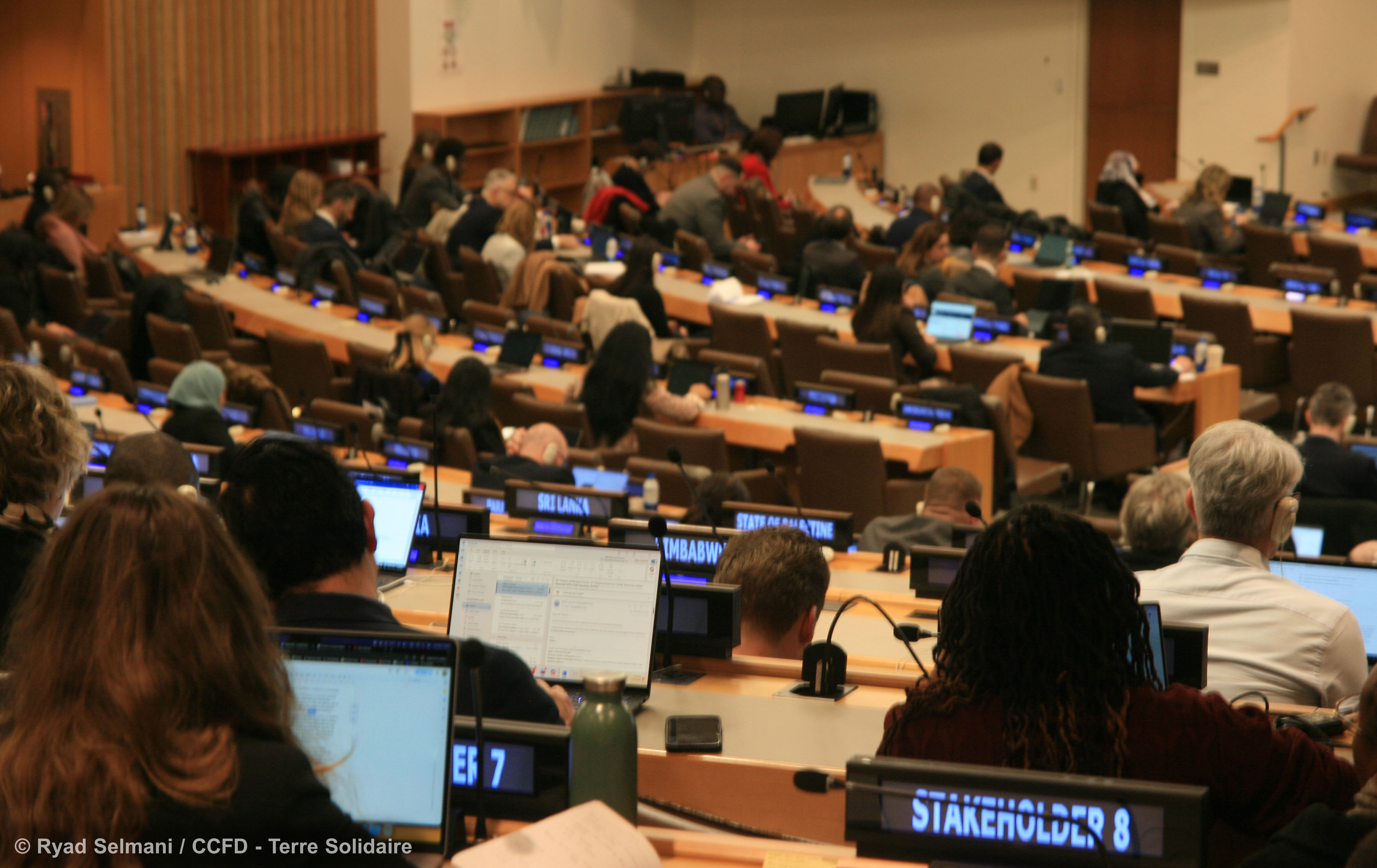
The next round of negotiations of a UN Framework Convention on International Tax Cooperation will take place in New York from 4-15 August. In June, the UN published three key documents for consultation on 1) the Convention, 2) an early protocol on taxation of services, and 3) an early protocol on dispute prevention and resolution. In response, the Global Alliance for Tax Justice drafted three joint submissions for all workstreams, outlining civil society's expectations for the upcoming negotiations.
Gender, education and health programmes cut in Foreign Commonwealth & Development Office (FCDO)’s UK aid allocations for 25/26
by Bond UK
Following the late publication of the FCDO’s annual report and allocations today, it is clear that the UK government is deprioritising funding for education, gender and countries experiencing humanitarian crises such as South Sudan, Ethiopia and Somalia, and surprisingly the Occupied Palestinian Territories and Sudan which the government said would be protected.
Friends of the Earth International members sue EXIM for unlawfully approving $4.7B to support disastrous Mozambique LNG project
by Friends of the Earth International
Friends of the Earth US and Justiça Ambiental/Friends of the Earth Mozambique, with representation from EarthRights International, filed a lawsuit challenging EXIM's unlawful approval of nearly $5 billion in financing for the Mozambique LNG project. The Project has displaced thousands of local people, been the site of alleged human rights violations, surrounded by a violent conflict, and will cause significant environmental destruction.
Blogs
Fourth International Conference on Financing for Development exposes continued lack of commitment to address systemic issues
by Jean Saldanha and Maria José Romero (Eurodad)
Negotiations on the outcome document of the UN's Fourth Financing for Development conference started with ambitious language which would potentially end the dominance of global north governments over the global financial architecture. However, this was not in line with the priorities of global north countries. In the end, what was meant to be a milestone in addressing global economic governance was turned into a watered-down consensus. Civil society, grass root organisations, labour unions, academics and states from the global south must continue to use its follow up processes to promote an agreement on an UN-led intergovernmental process.
Read the blog (via Bretton Woods Project)
IDA21 policy package disappoints as prospects for IDA countries continue to darken
by Bretton Woods Project
IDA21 ‘up to’ $100 billion replenishment falls short of G20’s Independent Experts Group's and African aspirations. The policy package remains deeply flawed, deepening the "billions to trillions" agenda and failing to focus on urgently required economic transformation.
From billions to nowhere: Ajay Banga’s development mirage
by Bretton Woods Project
World Bank President Ajay Banga’s presentation of its 'new' private sector-led development approach recycles the discredited “billions to trillions” model. Civil society groups fail to spot the difference from previous efforts and warn that this approach continues to prioritise investor returns over public good.
Reports
The Sevilla Commitment: what comes next? The unfinished business of the FFD4 Conference
by Global Policy Forum Europe
This briefing highlights some of the tangible decisions included in the Sevilla Commitment, beyond diplomatic platitudes. It outlines the tasks that the international community must tackle in the next few years in order to meet the self-imposed goal of advancing the financing of the 2030 Agenda, implementing structural reforms in the international financial architecture and strengthening inclusive multilateralism under the umbrella of the UN.
Useful resources
Decoding Gender Injustice: A guide to exposing how global economic policies affect gender equality and women’s rights
by Center for Economic and Social Rights and Third World Network
Gender injustice is woven into the very fabric of our economic systems—yet it can be dismantled. This guide unpacks how global economic policies entrench inequality and provides tools to challenge them. It equips movements to expose systemic harms and push for economic rules that center care, equity, and dignity.
Report on FfD4 side event "Inclusive multilateralism and international debt architecture"
The side event on “Inclusive multilateralism and international debt architecture” focussed on the way forward with regard to dealing with the international debt crisis. Speakers from civil society, African trade unions, academia, the German government and the UN provided critical reflections on current debt-related agreements in the Compromiso de Sevilla and their implications for dealing with the over-indebtedness of countries in the global south.
 |
This newsletter has been produced with co-funding from the European Union, Bread for the World and Norad. The contents of this publication are the sole responsibility of Eurodad and can under no circumstances be regarded as reflecting the position of the funders. |