Breaking the ice in the UN Tax Convention negotiations

#UNTaxConvention #GlobalTaxBody #TaxTheRich #CancelTheDebt #GenderJustice #ClimateJustice
Top story
Breaking the ice in the UN Tax Convention negotiations

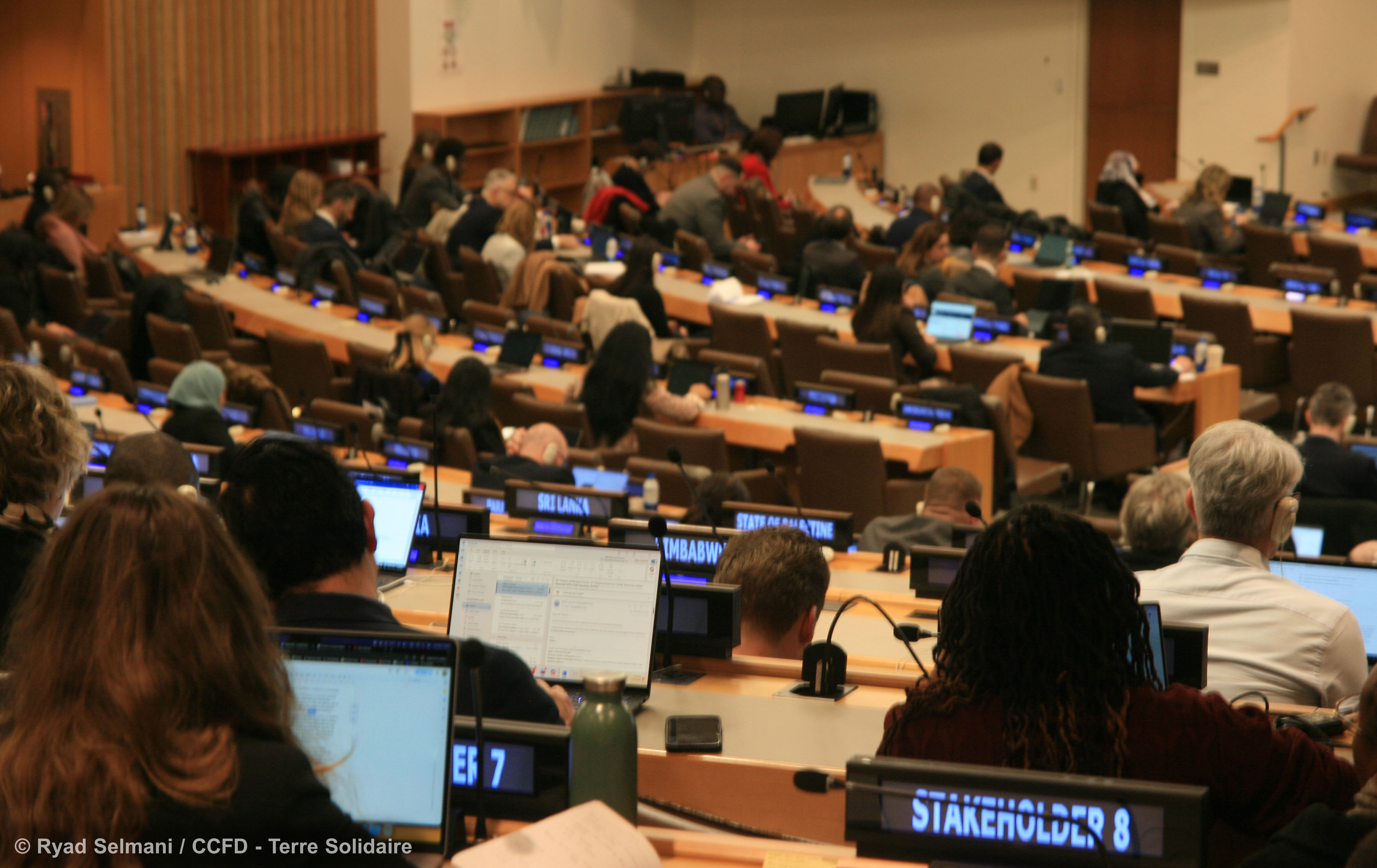
In August the first round of substance negotiations on the UN Tax Convention took place in New York. Here you can read an article by Euroad’s tax expert Tove Maria Ryding, which covers the highs and the challenges of the negotiations.
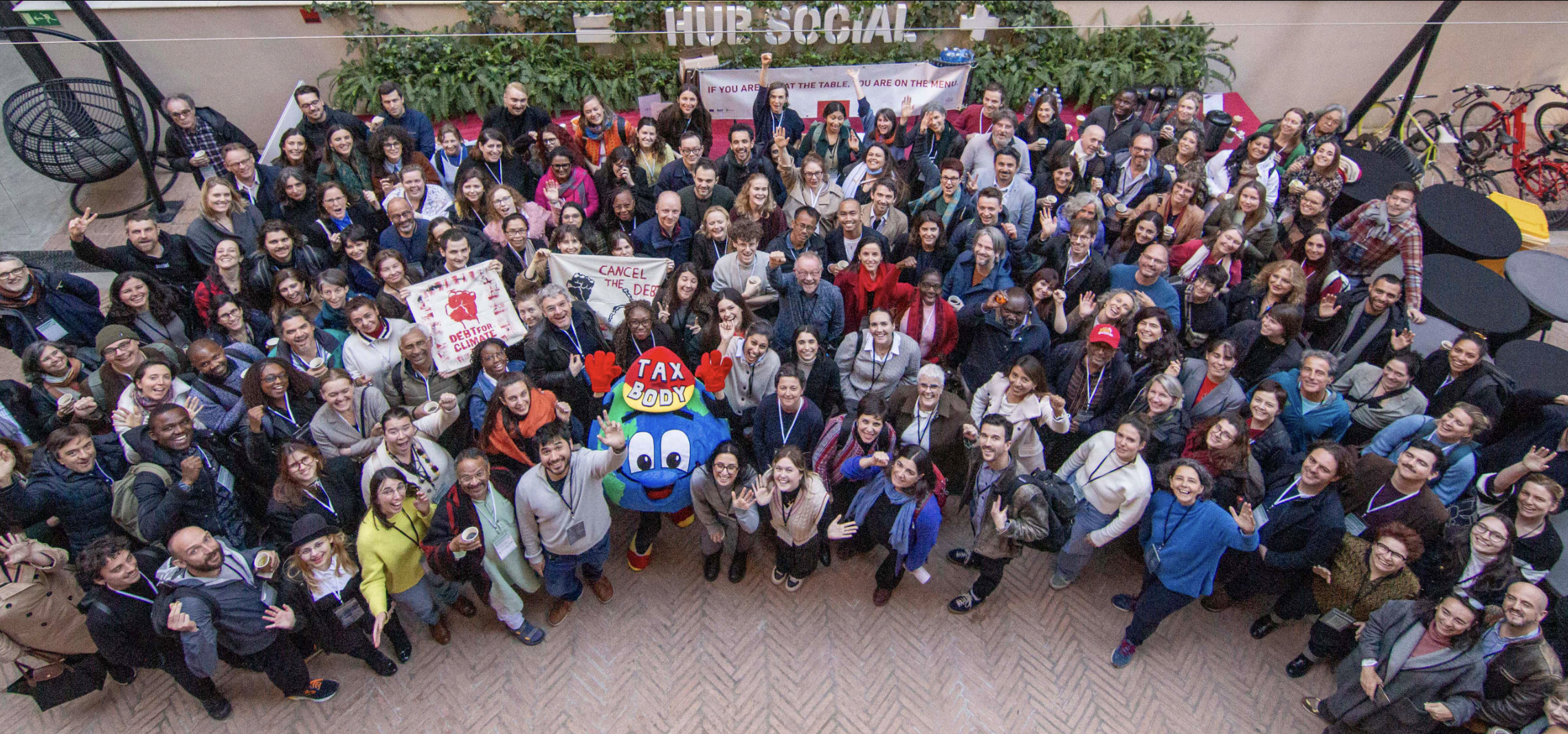
Eurodad has also published a new film - The Global Tax Body: A Biography, charting the road to today’s Convention.
News
Eurodad's Annual Report 2024
Our Annual Report 2024 is now online. It presents an overview of last year's activities, including priorities and outcomes of our work on debt justice, development finance, climate finance and tax justice.
Eurodad needs your inputs!
As we revise our strategy for the next five years, we’d like to hear how we can improve our collaboration with organisations and individuals that engage or wish to engage with us, and understand their needs and interests. Its results will also inform the planning and monitoring of our activities under an EU-funded project, which aims to strengthen connections between economic, gender and climate justice.
More evidence of World Bank Group's dangerous drive in for-profit healthcare
By Oxfam
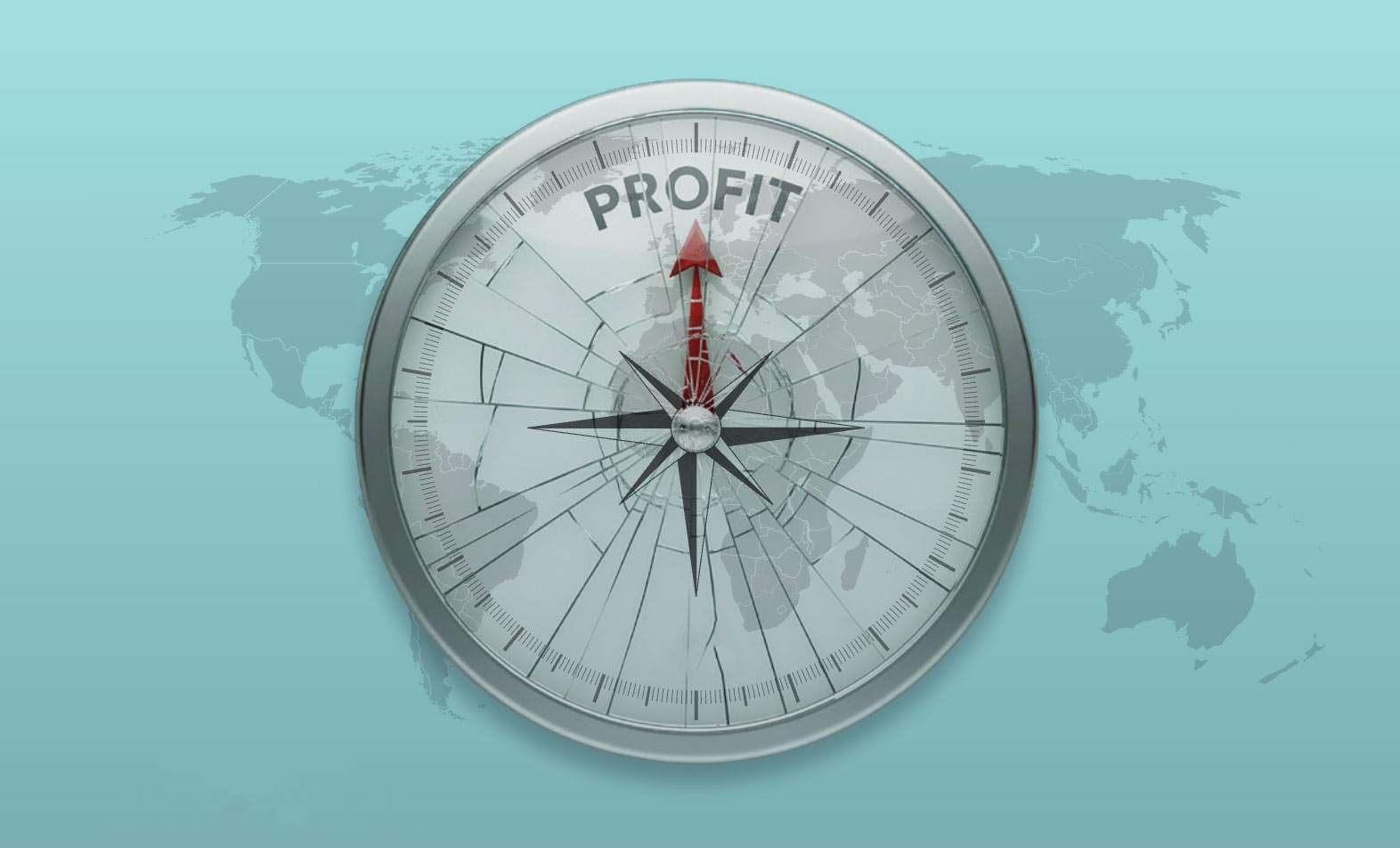
In response to Bloomberg's revelations about harmful private hospital investments backed by development banks, Oxfam has issued a press release in which Health Policy Manager Anna Marriott calls for "board members of the World Bank and other development banks, including that of the UK, to urgently halt all new direct or indirect investments in for-profit healthcare and launch a full, independent investigation into these cases."
Reports
Global Sovereign Debt Monitor 2025 - Now available in English
by erlassjahr
The Global Sovereign Debt Monitor 2025 takes a critical look at the experiences of previous debt restructuring cases within and outside the G20 Common Framework. The countries affected include Sri Lanka and Suriname, whose foreign debt burden remains very high despite debt restructuring having been completed, as well as Pakistan and Kenya, which have so far avoided debt restructuring negotiations.
Debt payments to private lenders three times higher than to China
by Debt Justice UK
Using World Bank and IMF data, this research by Debt Justice UK finds that between 2020 and 2025, 39% of external debt payments by lower-income countries are to commercial lenders, compared to 34% to multilateral institutions, 13% to Chinese public and private lenders, and 14% to other governments. The figures counter the myth that China is the only lender responsible for creating debt crises in lower-income countries.
Read the briefing | Read the press release
Summary of debt-for-nature swaps in the Galapagos
by LATINDADD
The debt-for-nature swap carried out in the Galapagos Islands in 2023 became the largest operation of its kind worldwide, linking conservation commitments with the repurchase of Ecuadorian external debt bonds. Although it was presented as a milestone of financial and environmental innovation, tensions related to sovereignty, transparency, and the participation of local communities emerged behind the official narrative. This summary captures the lessons learned and dilemmas of a process that, beyond rhetoric, raises fundamental questions about who controls public resources and how the future of the commons is decided.
Useful resources
Development Journal - Tackling debt traps: rethinking international debt architecture and debt sustainability assessments
by Society for International Development
This Development Journal’s issue examines how current debt sustainability assessments often mask social, environmental, and human rights harms, locking countries in cycles of austerity, weakened sovereignty, and climate vulnerability. With different case studies from Africa, Latin America, and Asia, the issue highlights how these flawed assessments fuel inequality and hinder concrete and just solutions.
Rewatch the panels of the Debt for Climate's Decolonial Territory Hub
During the Financing for Development Conference in Sevilla, Debt for Climate organised an alternative space that hosted debates on the interconnections between debt and colonialism, militarism, extractivism and the climate crisis.
African debt and climate change: how the ICJ’s Vanuatu ruling could be used for broader justice
African sovereign debtors are often forced to choose between fully paying their creditors and financing the needs of their populations – health, education, renewable energy, water. Discussions with their creditors focus on financial, economic and contractual issues. The environmental and social impacts of their situation are largely excluded from negotiations. Thanks to the initiative of some Vanuatan law students, this may be about to change.
Read more (via The Conversation)
New guide: Decoding Climate Finance
by Center for Economic and Social Rights
Part of the Decoding Injustice series, the guide Decoding Climate Finance is using data and human rights to confront injustice in climate finance.
Events
Until 10 September | Online | Gender-IFI Summer School 2025
The Gender-IFI summer school consists of seven free online learning sessions, featuring experienced speakers teaching about how international financial institutions (IFIs) impact women’s rights, plus the sharing of advocacy and mobilising tactics to rise up against them amongst participants. Translation in Spanish, Arabic and English is available for all webinars. Find more details on the next sessions here.
30 September | Online and in person | What’s next for aid and development?
In the context of dramatic changes to the aid and development landscape, including cuts to aid budgets by traditional donor countries, pervasive conflicts and ongoing climate shocks, at this year’s Scotland's International Development Alliance conference participants will explore alternative funding models, innovation, and effective power shifting/ partnership work in development.
 |
This newsletter has been produced with co-funding from the European Union, Bread for the World and Norad. The contents of this publication are the sole responsibility of Eurodad and can under no circumstances be regarded as reflecting the position of the funders. |