FfD4: Now is the time to rebuild the global economic system

#FfD4 #DebtJustice #JuneClimateMeetings #ClimateFinance #GenderJustice
Top story
Now is the time to rebuild the global economic system
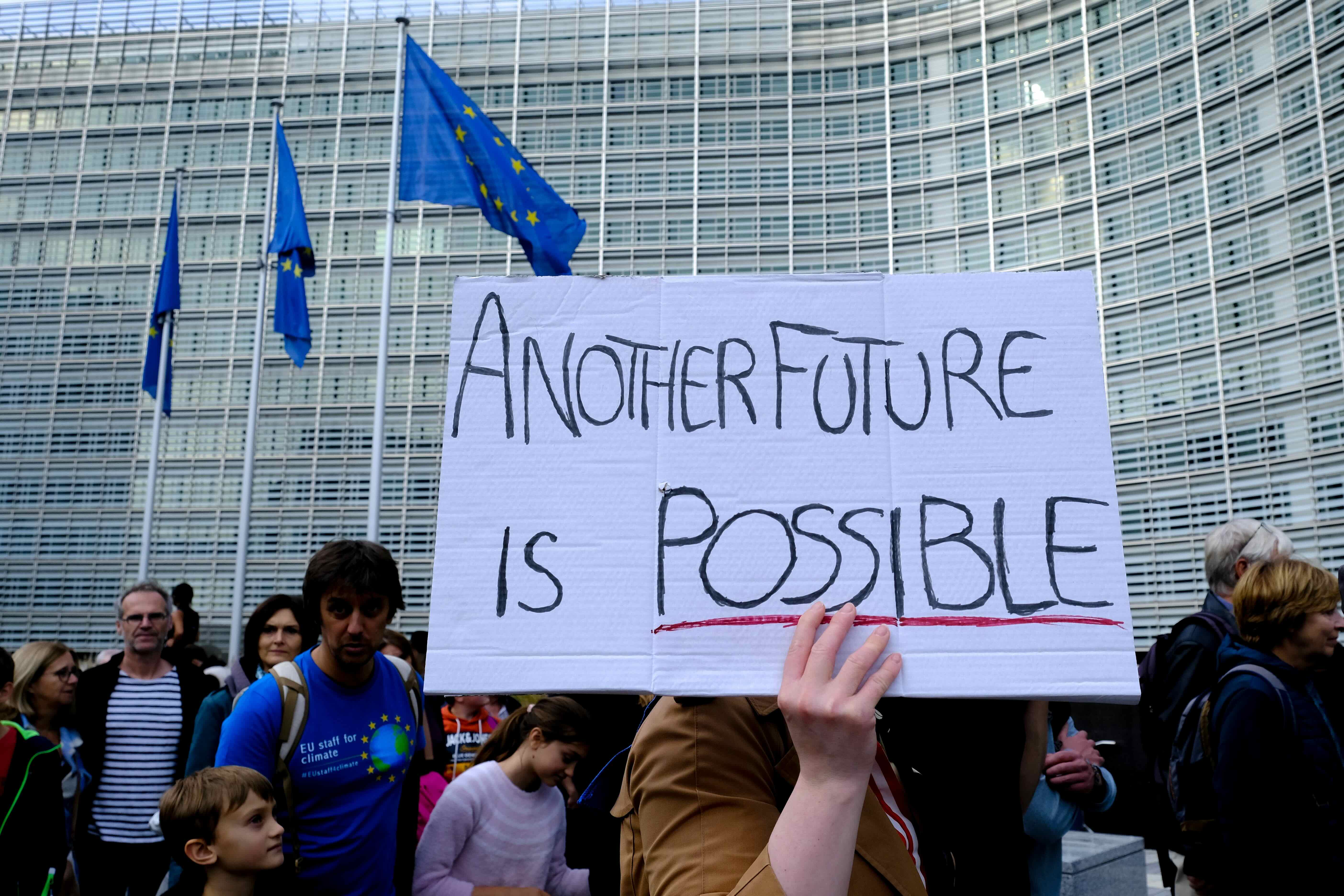
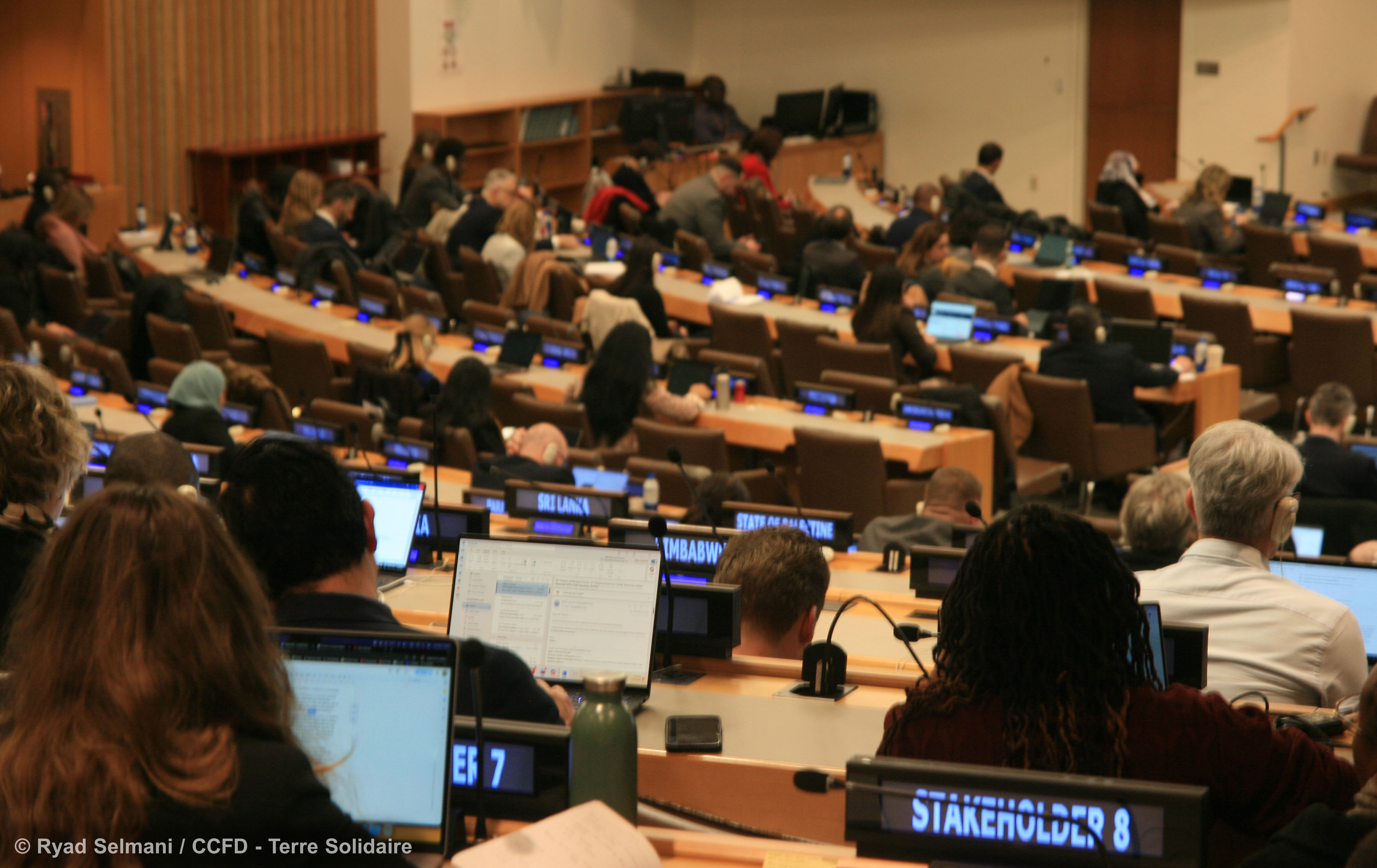
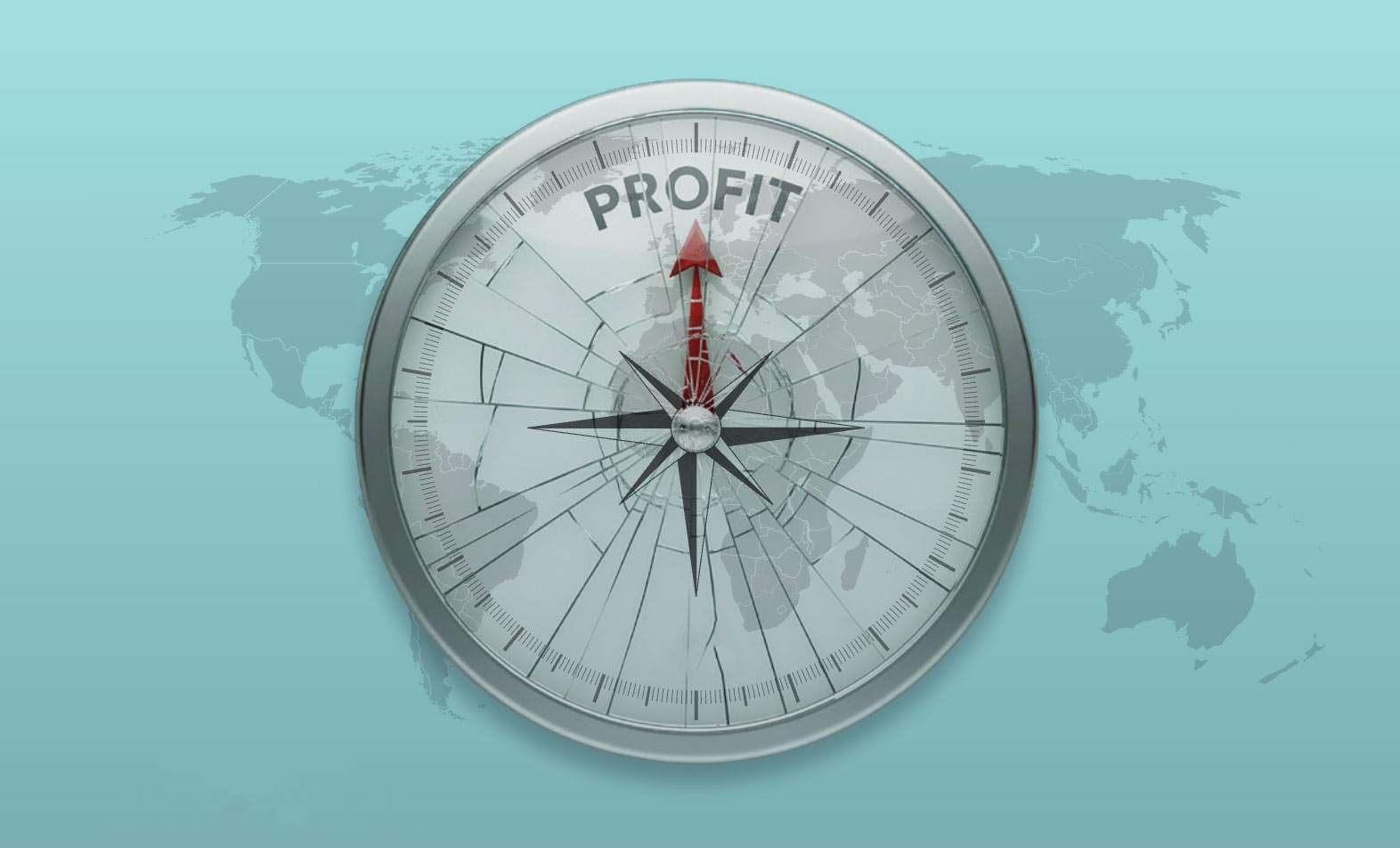
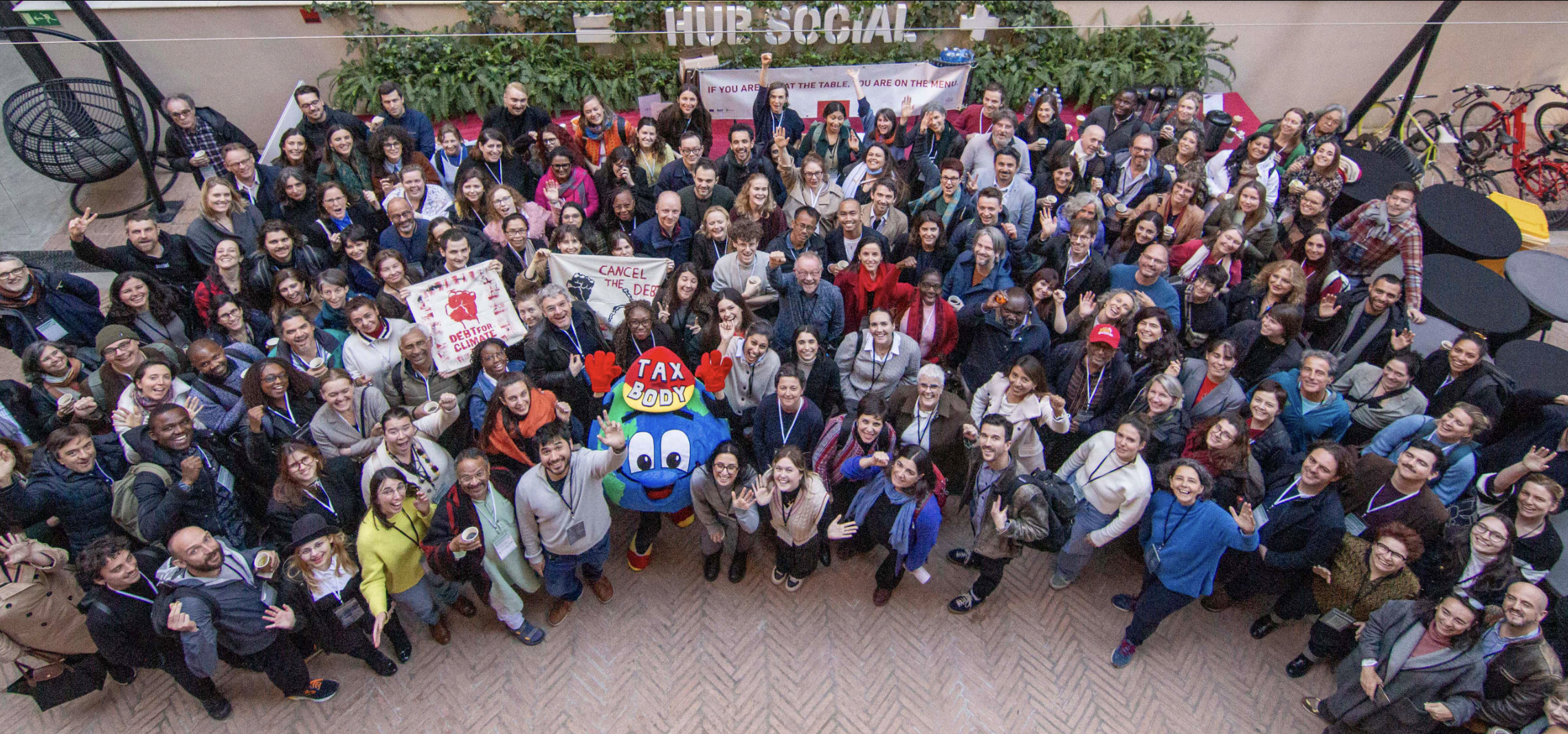
Global leaders will soon gather in Sevilla, Spain, for a historic UN Financing for Development Conference — which will set the agenda for how the global economic system will serve development in the coming years. In this article, which is supported by several CSOs across Europe, Eurodad Director Jean Saldanha outlines what is at stake and why Europe must raise its ambition.
News
Hear the global south: we need just and transformative outcomes from FfD4
LATINDADD, AFRODAD and the Asian Peoples' Movement on Debt and Development (APMDD) call on European decision makers to stop defending business-as-usual debt policies at the expense of the lives and rights of peoples of the global south. Global north countries should act instead in the direction of supporting democratic and inclusive spaces such as the UN and respecting the voice and interests of global south countries, in which the greater mass of the world’s peoples reside.
40+ CSOs call on European policy makers to establish an international convention on sovereign debt
A coalition of CSOs is calling on European perm reps, European UN Member States and the European Commission to take bold action to enable countries to create a new financial architecture which resolves current debt crises in a fair, fast and deep way, and prevents future crises through rules on transparency and responsible lending and borrowing
The Hungarian Climate Law declared unconstitutional
– environmentalists hail a historic decision
Friends of the Earth Hungary, Reflex Association and Climate Alliance Hungary welcome the decision of the Hungarian Constitutional Court to annul the climate law's target for greenhouse gas emissions by 2030, ruling that the legislator's target was insufficient. The Court also ordered the National Assembly to draft a comprehensive regulation by 30 June 2026, tailored to Hungary's specific circumstances and covering all areas of climate protection, including adaptation and resilience measures.
Reports
New data reveal World Bank DPF ‘climate finance’ carries strong private sector bias
by Bretton Woods Project
This briefing finds that the World Bank counted 70 per cent of energy-sector reforms in Development Policy Financing as having 'climate co-benefits' between 2018-2023 - but most of these promoted a private-led energy transition.
How the global debt system is undermining democracy and fuelling authoritarianism across global south countries
by Debt Justice UK
Through seven case studies, this briefing explores the complex ways in which the unjust international debt system and the austerity policies it imposes are undermining democracy and fuelling authoritarianism across the global south.
Another world is possible, a feminist world is possible: policy brief on macroeconomic transformations, women's human rights and development justice
by the Asia Pacific Forum on Women, Law and Development (APWLD)
This policy brief exposes how global economic structures, rooted in colonialism, neoliberalism, and patriarchy, continue to entrench inequality and extract from the global south. Under the guise of neoliberal development, debt, austerity, privatisation, and digitalisation have devastated livelihoods and eroded women’s human rights. Feminist movements in Asia and the Pacific are rejecting false solutions and demanding systemic change.
Urgent reforms for debt justice
by Civil 7
Complementing the 2025 Civil 7 communique recommendations on economic justice, this paper puts forward the areas of change that a reform of the debt architecture and the creation of a UN Convention Framework on Sovereign Debt would facilitate.
Blogs
Time to push back against the private finance bandwagon - why the roles of public and private finance need to be rebalanced in Sevilla
by Maria José Romero (Eurodad) for Forum Umwelt & Entwicklung
The involvement of private finance in infrastructure and services provision is not new. However, the focus on leveraging private finance has increased in recent decades. As the Fourth FfD Conference (FfD4) in Sevilla approaches, there is an opportunity for a thorough overhaul of private finance in development.
Read the blog in English | Read the blog in German
Useful resources
FAQ: What’s at stake for debt and climate justice in the 2025 UN climate processes
by Debt Justice UK
This short FAQ outlines the crucial UNFCCC processes to track, follow, and engage in this year: the Baku to Belem Roadmap and the Sharm el-Sheikh Dialogue. This document can be used as a go-to reference to find out what’s happening in the UNFCCC this year, why these processes matter for debt and climate justice and learn about the key positions to advocate for within these processes.
Reclaiming public finance toolkit - Summer edition
by CAN International
Ahead of the United Nations' June Climate Meetings (SB 62) and FfD4 in Seville, Climate Action Network International has put together some useful of resources to help experts and activists plug into the Reclaiming Public Finance work.
Debt, climate and inequalities - understand and take action
by CCFD - Terre Solidaire
This tool aims at raising awareness about the debt crisis in the Global South linked with climate and inequalities and propose means of action, especially in the context of the Jubilee Year and beyond.
Events
19 June | Online | Strategy lab – mapping our roadmap to Seville
In the lead-up to the Feminist Forum and the Fourth UN Conference on Financing for Development (FfD4) in Seville, the Asia Pacific Forum on Women, Law and Development (APWLD) has organised a three-part Zoom series – Feminist Forum for and beyond FfD4: Ushering an economic system based on care, justice and equality. This third webinar will focus on co-creating feminist strategies that place women, girls, and gender-diverse persons' realities at the heart of the global financial architecture.
 |
This newsletter has been produced with co-funding from the European Union, Bread for the World and Norad. The contents of this publication are the sole responsibility of Eurodad and can under no circumstances be regarded as reflecting the position of the funders. |