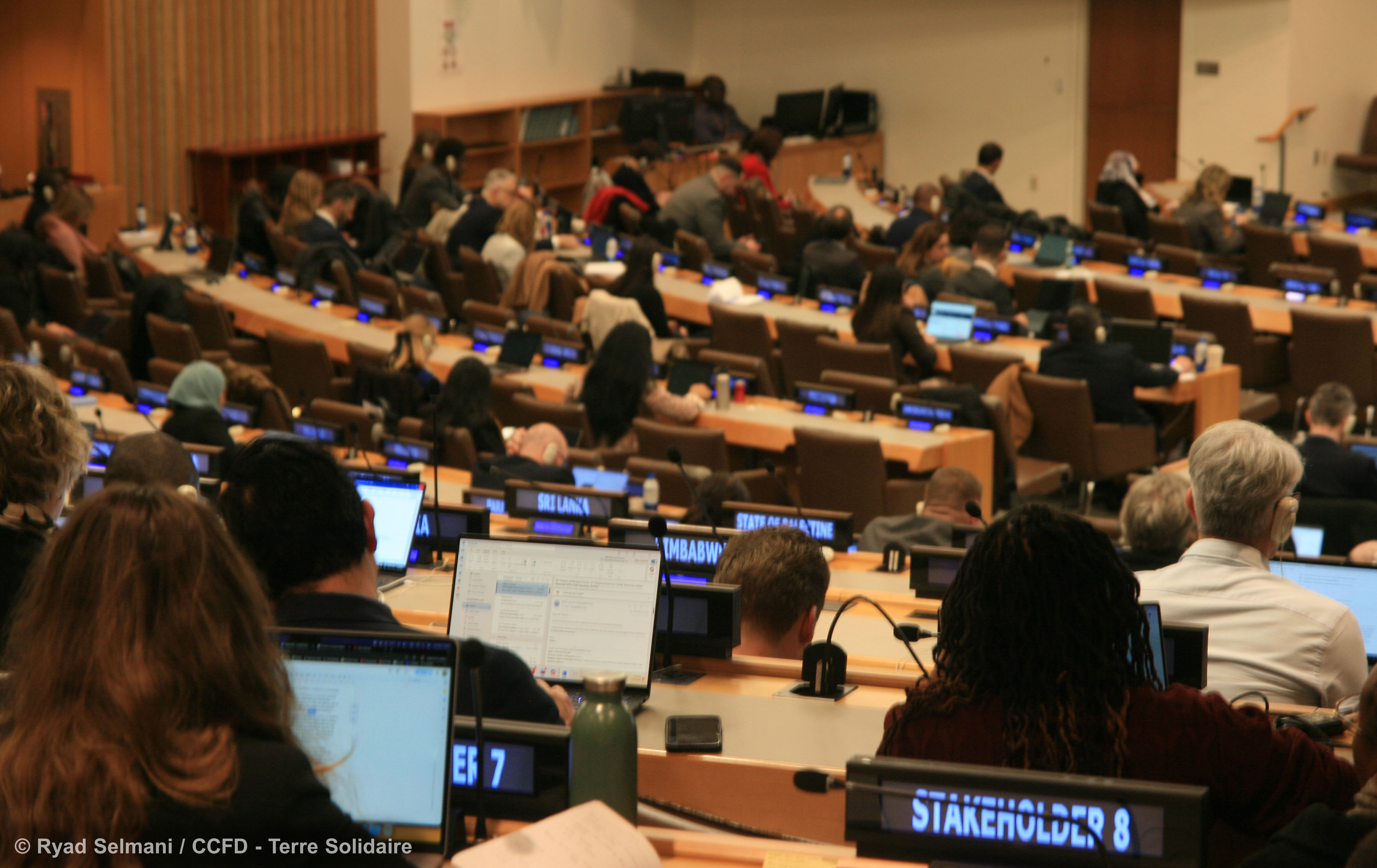
Our verdict on FfD4: job not yet done

#FfD4 #EraOfJustice #FFD4People #CancelTheDebt #TaxTheRich
Top story
Our verdict on FfD4: job not yet done
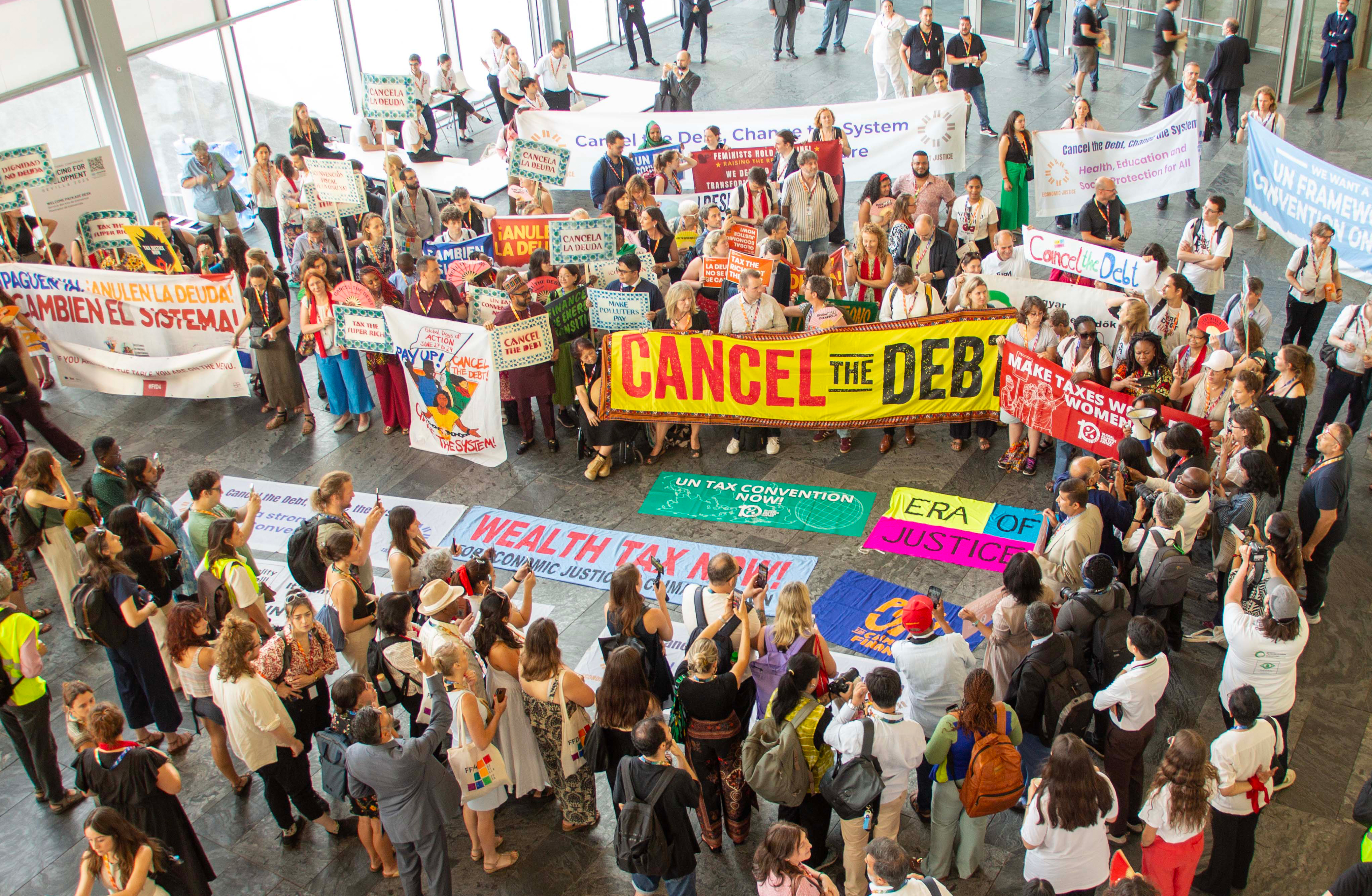
Sevilla may not have delivered on its promises, but it has certainly reignited civil society’s commitment to systemic reforms.
Read here our takeaways from the Financing for Development conference and our look ahead
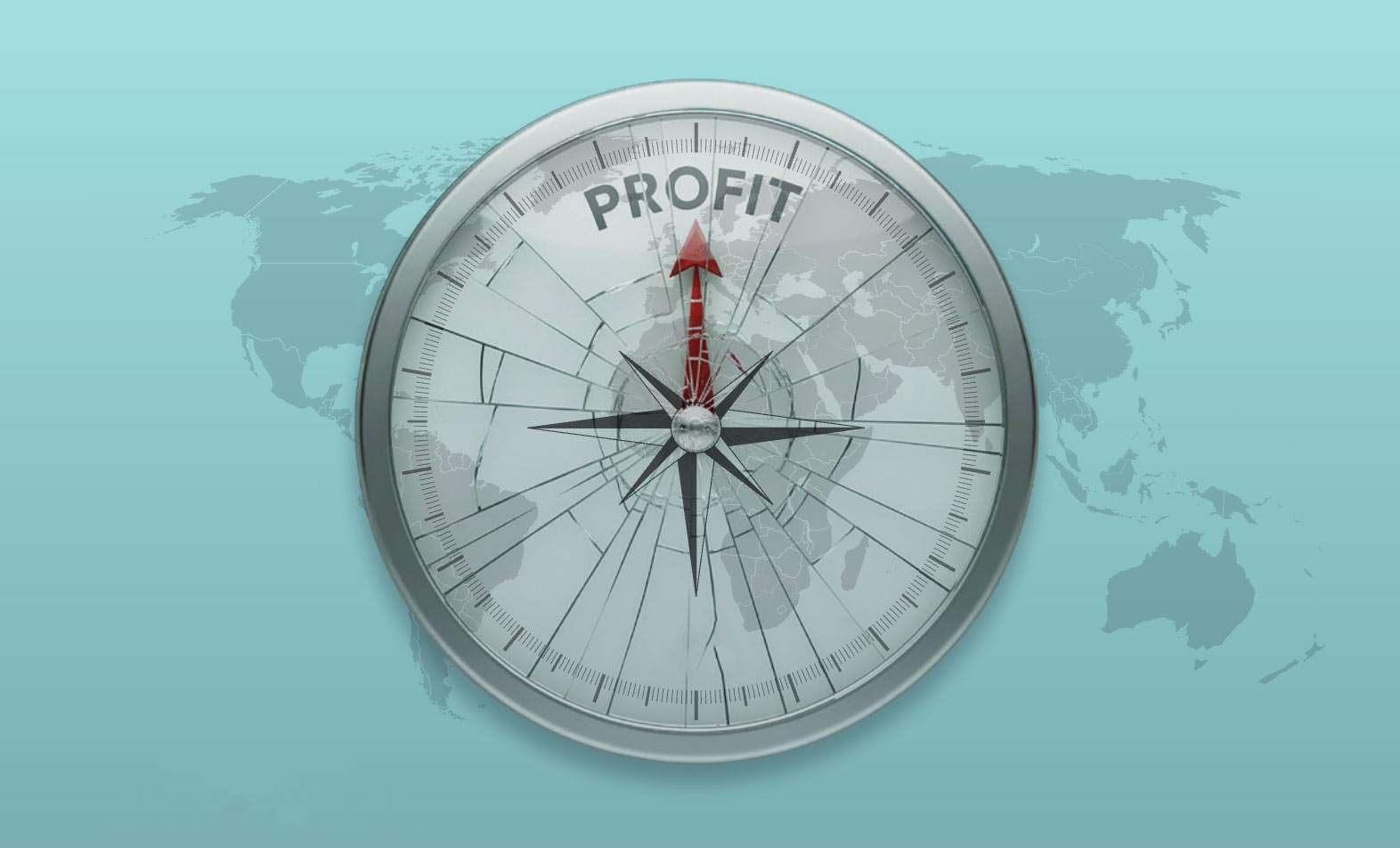
Click here to read a more in-depth article about private finance at FfD4
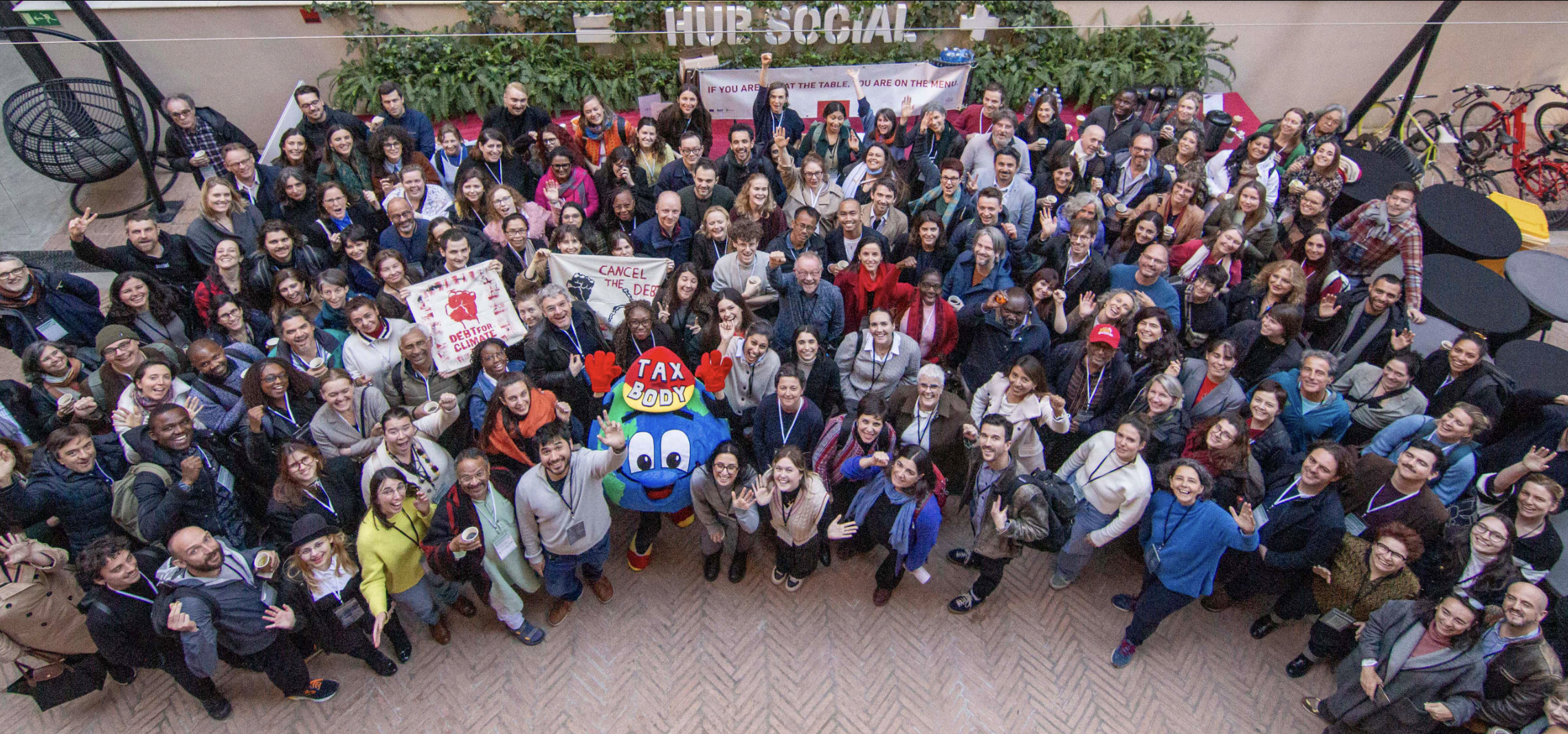
Click here to read a more in-depth article about debt at FfD4
Fourth International Conference on Financing for Development
Declaration from the FfD4 Civil Society Forum
by Civil Society Financing for Development Mechanism
Read here the declaration from the FfD4 Civil society Forum, which convened over 1000 members of civil society and which was also presented in the final Plenary of the FfD4 conference. The Statement expresses both a reaction to the “Compromiso de Sevilla” and shared recommendations to UN Member States and the international community on the ambitious responses needed moving forward.
Global south return home ‘empty-handed’ as summit delivers disappointing blow
by ActionAid
As the curtain closes on the global development summit – the Fourth Financing for Development conference - in Seville, ActionAid has expressed disappointment at the underwhelming outcome. The organisation says it will continue its fight for debt cancellation and a fairer global economic governance system despite the weak result.
FfD4 Conference came to an end... what's next?
by Rebecca Thissen (Climate Action Network)
While some claim that the FfD outcome document is proof that multilateralism is alive, the final agreement is a disappointment for many countries and civil society groups due to its lack of ambition and its inability to tackle structural challenges. One could ask: "Multilateralism for who?" But the fight does not stop in Seville.
Drowning in debt - Strategies to overcome the debt-development crisis
by FP Analytics
Launched at FfD4, this brief analyses weaknesses and inequities in the current global economic governance structure that underpin the debt-development crisis, and illuminates transformative possibilities to overcome this crisis and improve global governance.
Read the brief
Blogs
Debt swaps are a false fix - Why are global south countries still asked to bargain for justice?
by MENAFem
Spain and the the World Bank just announced a new “debt swap hub” at FfD4 in Seville. It’s being promoted as a breakthrough—a central mechanism to convert debt repayments into climate and development funds. But for many of us from the global south, this is not a cause for celebration. It’s a signal that the global financial system remains trapped in the same colonial logic.
Reports
Green guarantees? New report examines MIGA’s "greening" of financial intermediaries for climate finance
by Recourse
This report examines the guarantees issued by MIGA to financial intermediaries between 1990 and 2024, as well as the agency’s Sustainability Reports and Annual Reports, to find out what ‘green guarantees’ really means. The analysis reveals several issues, including unclear use of proceeds and fossil fuel loopholes.
The case for development in 2025: exploring new narratives for aid in the context of the EU’s new strategic agenda
by Claire Kumar, Karen Hargrave, Nerea Craviotto and Jessica Pudussery
As the development sector seeks to reimagine aid, there is an opportunity to rethink the narratives that drive development cooperation in Europe. This report looks at three related aspects: how narratives around official development assistance (ODA) have shifted in Europe, the narratives emerging with the EU’s new priorities and their implications for ODA, which narratives might have most traction with policy-makers in maintaining robust developmental efforts and ODA spending.
Behind the European Investment Bank’s Green Curtains: A review of the Climate Bank Roadmap
by Counter Balance
This report analyses how the EIB’s Climate Bank Roadmap shapes the bank’s lending practices. It reveals that while the EIB has increased its share of climate and environmental finance, fossil companies and banks still received €10 billion in loans. This publication also exposes false solutions like CCS (Carbon capture and Storage) and hydrogen from fossil fuels, and highlights little attention for a just transformation both inside and outside Europe.
Coherence Index 2025 report: "Fair financing for a future of hope"
by La Coordinadora de Organizaciones para el Desarrollo, Forus, Futuro en Común and REEDES
This edition of the INDICO report brings together six robust analyses and recommendations from civil society, in dialogue with the current context of global financing and governance, highlighting obstacles to policy coherence for sustainable development and offering avenues for structural transformation. It also provides information on the performance of 158 countries.
Useful resources
The lower-income country debt crisis and the Debt Relief (Developing Countries) Bill
by Debt Justice UK
The UK played a key role in ensuring the success of the global initiative to address the last debt crisis by passing the Debt Relief (Developing Countries) Act in 2010. The Debt Relief (Developing Countries) Bill, introduced as a ten minute rule bill by Bambos Charalambous in November 2024, aimed to enable the UK to play a similar role in the context of the current crisis.
Read this parliamentary briefing | Read the "Responses to arguments against debt legislation"
Money Talks Debt
by Stack Data Strategy and Black Sands
Money Talks Debt presents the results of a global poll that surveyed 15,000 people across 10 countries: France, Germany, Italy, Spain, UK, US, the Philippines, Brazil and South Africa on public attitudes and understanding of debt issues. It is created by UK Communications Agency Black Sands as an open-source resource.
Vacancies
Call for tender for Media and Social Media Monitoring and Management Services
Eurodad | Deadline: 16 July, 13:59 CEST
Tax & Gender Equality Advisor
ActionAid | Deadline: 13 July
Events
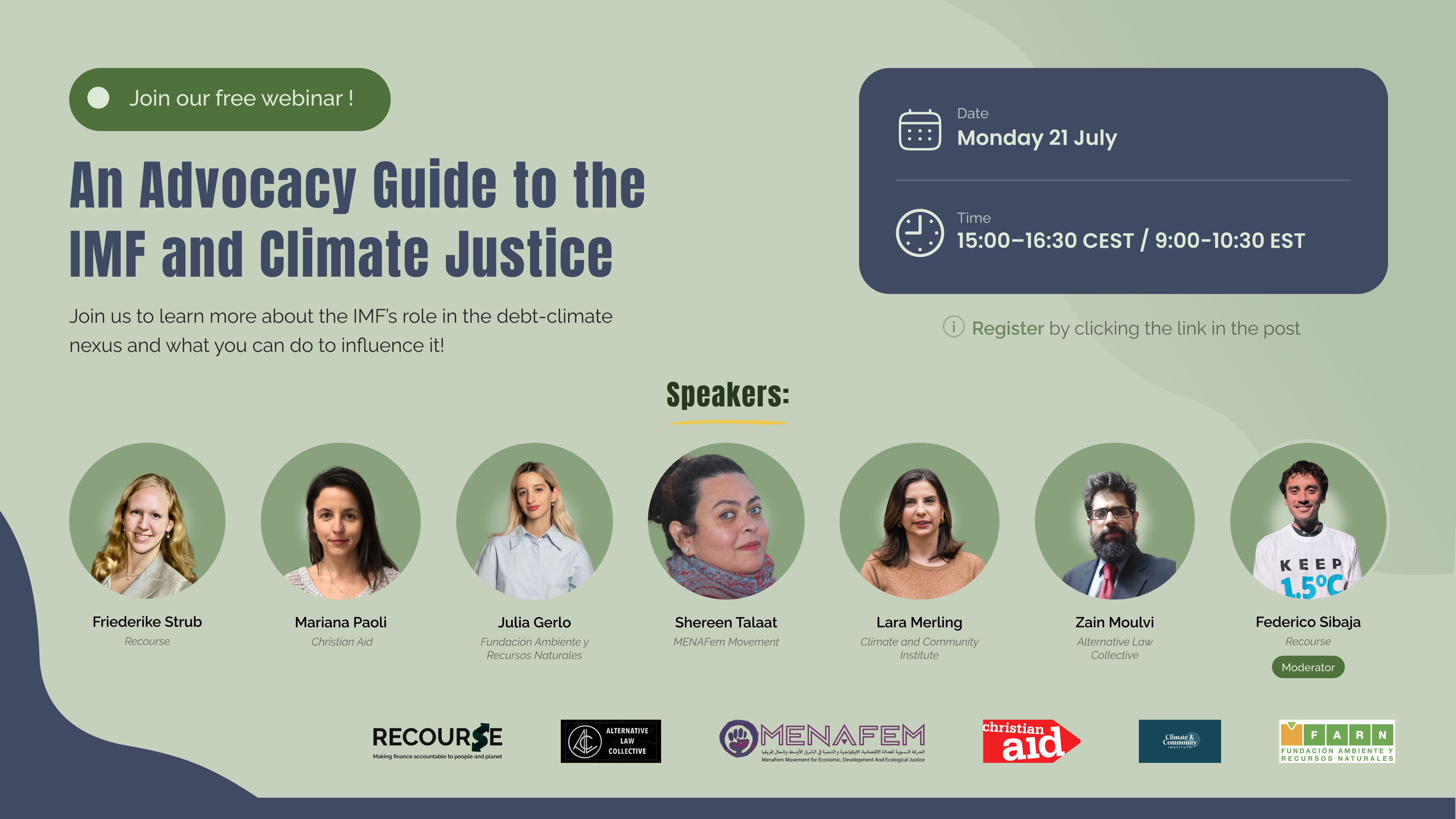
21 July | Launch event: A Civil Society Guide to the IMF and Climate Justice
If you’re a climate expert who wants to better understand how the IMF works, why you should care and how to influence it or if you’re an economic justice advocate who wants to get a better sense of how debt and austerity are related with climate change - this webinar is for you. Together with allies from Argentina, Brazil, Egypt, Europe, Pakistan and the US, the speakers will provide an insider view to the IMF’s work and impact on climate action, as well as practical insights on ways to influence them.
 |
This newsletter has been produced with co-funding from the European Union, Bread for the World and Norad. The contents of this publication are the sole responsibility of Eurodad and can under no circumstances be regarded as reflecting the position of the funders. |